

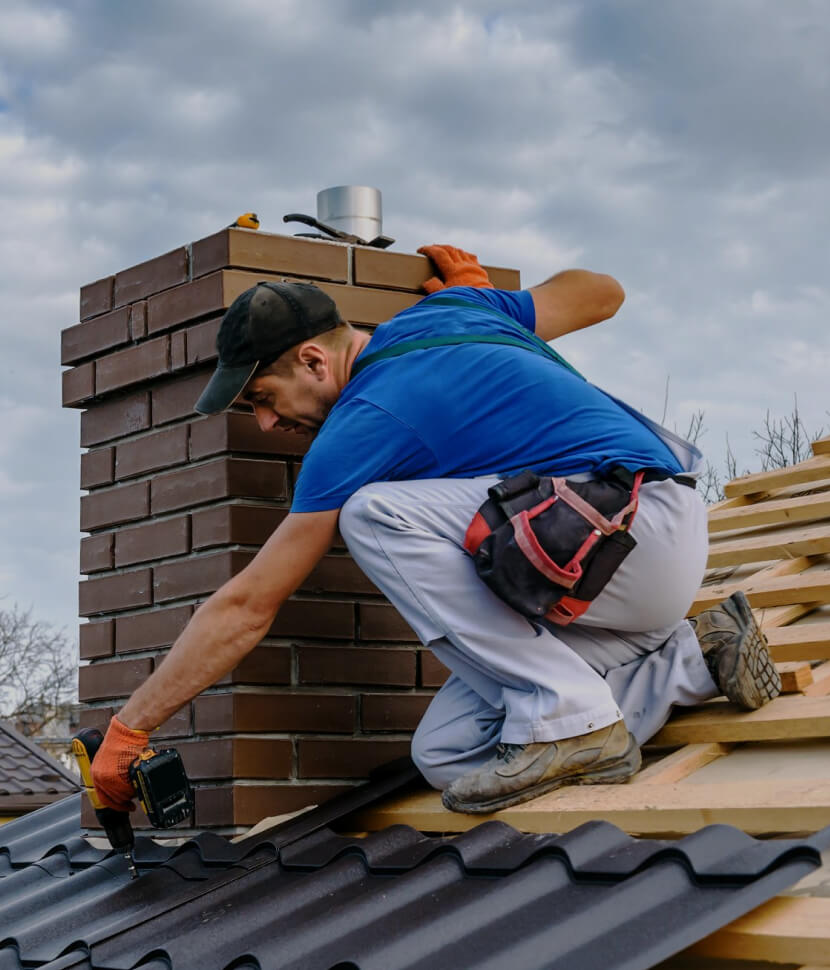
How often should a roof be inspected?
So, How often should a roof be inspected?
Many homeowners only think about their roof when a leak appears. By that point, damage has often already spread. Knowing how often to inspect a roof helps prevent costly repairs, protects the structure of your home, and extends the life of the roof covering.
Roof inspections do not need to be frequent to be effective, but they do need to be done at the right times and by someone who knows what to look for. We explain how often roofs should be checked, what inspections involve, and when professional help is essential.
Why roof inspections matter
A roof is exposed to weather every day of the year. Rain, wind, frost, and sunlight slowly wear down tiles, flashing, and mortar. Small issues often develop quietly and are easy to miss from the ground.
Regular inspections help identify problems early, before water reaches the roof structure or interior of the property. Early repairs are usually simpler, quicker, and far less expensive than fixing long term damage.
How often to inspect a roof in general
For most homes in the UK, a roof should be inspected at least once a year. An annual inspection allows issues to be spotted before winter weather causes further damage.
In addition to yearly checks, roofs should also be inspected after specific events, such as:
-
Severe storms or high winds
-
Heavy snowfall
-
Prolonged periods of rain
-
Nearby building work that could affect the roof
-
Noticing signs of damp or leaks indoors
These extra inspections help ensure hidden damage is not missed.
Roof inspections for older properties
Older homes often need more frequent attention. Roofing materials may be approaching the end of their lifespan, and earlier construction methods may not meet modern standards.
If your property is more than thirty years old, inspecting the roof every six to twelve months is advisable. Older roofs are more likely to experience issues with underlay, fixings, and flashing.
What a roof inspection involves
A proper roof inspection looks at more than just tiles. A professional inspection usually includes checking:
-
Condition of tiles or slates
-
Ridge tiles and mortar joints
-
Flashing around chimneys and roof valleys
-
Signs of moss or algae growth
-
Roofline condition including soffits and fascias
-
Guttering and drainage
-
Signs of sagging or uneven rooflines
-
Evidence of water ingress in the loft
Inspections may involve visual checks from the ground, ladder access, or closer examination depending on the roof type.
Inspecting tiled and slate roofs
Tiled and slate roofs are durable, but individual pieces can crack or slip over time. Even one damaged tile can allow water to enter beneath the surface.
Regular inspections of tiled roofs and slate roofs help ensure small defects are repaired before they spread.
Flat roof inspection frequency
Flat roofs require closer monitoring than pitched roofs. Water drains more slowly, which increases the risk of pooling and leaks.
Flat roofs should be inspected at least twice a year, typically in spring and autumn. They should also be checked after heavy rain. Professional inspections of flat roofs help identify cracks, blistering, or blocked outlets early.
Signs that a roof inspection is overdue
You may need to arrange an inspection sooner if you notice:
-
Damp patches on ceilings or walls
-
Drips during heavy rain
-
Musty smells in the loft
-
Daylight visible through the roof timbers
-
Loose or missing tiles
-
Excessive moss growth
-
Overflowing gutters
These signs often indicate underlying issues that require professional attention.
Roof inspections and maintenance planning
Regular inspections allow homeowners to plan maintenance rather than react to emergencies. Minor roof repairs can be scheduled before problems worsen, reducing disruption and cost.
Inspections are also helpful when budgeting for future work, such as roof replacement or insulation upgrades.
Inspections before major roofing work
If you are planning significant work such as installing new roofs, an inspection is essential. It helps determine whether repairs or a full replacement are needed and whether the roof structure is sound.
Major roofing work must meet standards set out under GOV.UK Building Regulations, particularly where insulation levels are improved. Structural work may also require checks through Local Authority Building Control.
Planning permission is not usually required for inspections, but homeowners can check requirements for roof alterations using the Planning Portal roofing permission guidance.
Safety and roof inspections
Roof inspections involve working at height and should be carried out safely. Professional roofers follow guidance set out by the Health and Safety Executive, including specific rules from the HSE Working at Height Guidance.
Attempting to inspect a roof without the right equipment or experience can be dangerous and is not recommended.
How inspections extend roof lifespan
Roofs that are inspected regularly tend to last longer. Early detection of cracked tiles, failing flashing, or blocked gutters prevents water from reaching the structure beneath.
Regular inspections also help maintain roofline components such as soffits and fascias, which play a key role in ventilation and water management.
Choosing a professional for roof inspections
A professional roofer knows what to look for and how to assess the condition of different roofing materials. When choosing a roofing company, homeowners should check for:
-
Experience with the relevant roof type
-
Clear explanations and written reports
-
Insurance cover
-
Strong customer feedback
Platforms such as Checkatrade help confirm reliability and workmanship.
Local specialists such as Rated Roofers Ltd offer thorough roof inspections based on experience of local property styles and weather conditions.
So how often to inspect a roof?
For most homes, once a year is enough, with extra inspections after severe weather. Older properties and flat roofs benefit from more frequent checks. Regular inspections help prevent leaks, extend roof lifespan, and reduce repair costs.
Conclusion
Knowing how often to inspect a roof is an important part of caring for your home. Regular inspections catch problems early, protect the structure of the property, and help your roof last as long as possible.
If you are unsure when your roof was last checked or want peace of mind before winter, contact us today. Rated Roofers Ltd provides professional roof inspections, repairs, and advice across West Sussex, helping homeowners keep their roofs safe, secure, and in good condition year after year.

Comment (0)