

4 February 2026
Is it Better to Repair or Replace a Roof?
So, Is it Better to Repair or Replace a Roof?
Homeowners often face a difficult decision when roofing problems appear. Should you repair the roof or replace it entirely? The right answer depends on the condition of the roof, the extent of the damage, the age of the materials, and long term cost considerations. Understanding when to repair or replace a roof helps you make an informed decision and avoid unnecessary expense.
We explain the key factors to consider, the benefits of each option, and how to decide which approach is best for your home.
When roof repair is usually the right choice
Roof repairs are often the best solution when damage is limited and the overall roof is still in good condition. Repairs focus on fixing specific issues while keeping the existing roof structure intact.
Repairs are usually suitable when:
-
Damage is limited to a small area
-
Only a few tiles or slates are cracked or missing
-
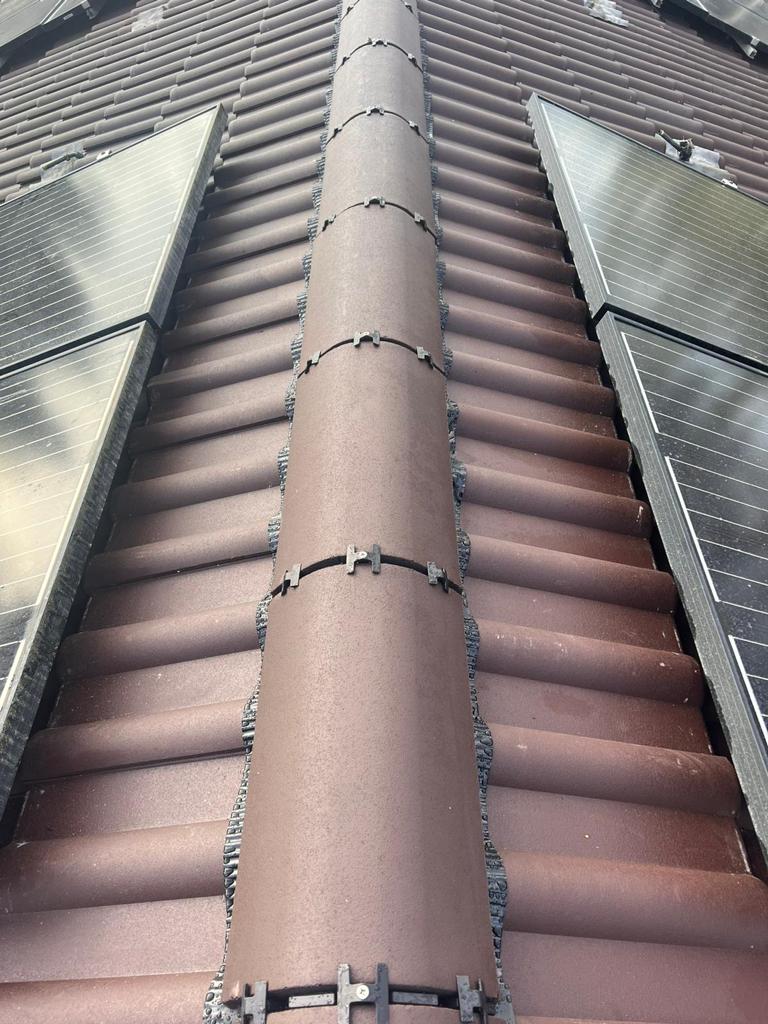
Leaks are caused by flashing or ridge tile issues
-
The roof is relatively young
-
The underlay and structure remain sound
Professional roof repairs can restore protection quickly and at a lower cost than replacement.
Typical roof repair work
Common roof repairs include replacing damaged tiles, securing loose ridge tiles, repairing flashing around chimneys and joints, and addressing localised underlay damage.
On pitched roofs, repairs to tiled roofs and slate roofs are often effective when damage is isolated.
On extensions and garages, small repairs to flat roofs can extend the roof’s lifespan when addressed early.
Benefits of repairing a roof
Repairing a roof offers several advantages when appropriate:
-
Lower upfront cost
-
Less disruption to the household
-
Faster completion time
-
No major structural work required
-
Often no building control involvement
For many homeowners, repairs provide a practical solution that resolves issues without major expense.
When roof replacement becomes the better option
There are situations where replacing the roof is more sensible than continuing with repairs. If problems are widespread or the roof is nearing the end of its lifespan, repairs may only provide short term relief.
Roof replacement is often the better option when:
-
The roof is approaching the end of its expected lifespan
-
Damage affects large areas of the roof
-
Repairs are needed frequently
-
Underlay has deteriorated across wide sections
-
Structural timbers show signs of rot
-
The roof no longer meets current standards
In these cases, installing new roofs can provide better long term value.
Long term cost considerations
While repairs are cheaper in the short term, repeated repairs can add up over time. If you find yourself paying for repairs every year, the total cost may eventually exceed that of a replacement.
A roof replacement involves a higher initial cost but offers decades of protection when installed correctly. It also reduces the risk of ongoing leaks, damp, and internal damage.
When deciding whether to repair or replace a roof, it is important to consider how long the solution is likely to last.
Age of the roof matters
Roof age plays a major role in the decision. A roof that is only ten or fifteen years old with minor damage is usually worth repairing.
However, if the roof is several decades old and showing signs of widespread wear, replacement may be the more reliable option. Older roofs may also have outdated materials or underlay that no longer perform effectively.
The impact of leaks and damp
Persistent leaks and damp issues are a strong indicator that replacement may be needed. Water entering the roof space can damage insulation, ceilings, and timbers.
If repairs have been carried out previously but leaks continue to appear in different areas, this often suggests underlying issues that repairs alone cannot resolve.
Flat roofs and replacement decisions
Flat roofs require careful assessment. Minor cracks or drainage issues can often be repaired successfully if caught early.
However, if a flat roof has widespread cracking, poor drainage, or repeated leaks, replacement may be the safer long term solution. Modern flat roofing systems perform far better than older materials when installed correctly.
Roofline and associated components
Roof problems are not limited to tiles alone. Soffits, fascias, and guttering all play a role in protecting the roof and managing water.
If roofline components are failing alongside roof covering issues, it may influence the decision to replace rather than repair. Upgrading UPVC soffits and fascias alongside roofing work can improve durability and drainage.
Planning and building regulations
Some roof repairs do not require formal approval, but roof replacement often involves compliance with current standards.
Roof replacement and significant alterations must meet GOV.UK Building Regulations, particularly where insulation and structure are involved. In some cases, inspections are required through Local Authority Building Control.
Homeowners can also check requirements using the Planning Portal roofing permission guidance before work begins.
Safety and professional assessment
Assessing whether to repair or replace a roof requires a thorough inspection. Roofing work involves working at height, so inspections should be carried out by professionals.
Roofers follow guidance from the Health and Safety Executive, including the HSE Working at Height Guidance, to ensure inspections and work are completed safely.
Homeowners should avoid climbing onto the roof themselves.
How a professional inspection helps
A professional roofer can assess the condition of the roof covering, underlay, structure, and roofline components. They can then explain whether repairs are likely to be effective or whether replacement offers better value.
A clear inspection report helps homeowners make a confident decision rather than guessing or delaying action.
Choosing the right roofing professional
Whether you decide to repair or replace a roof, choosing a reliable roofer is essential. Homeowners should look for experience, clear communication, and strong customer feedback.
Platforms such as Checkatrade help homeowners review verified feedback and assess workmanship.
Local specialists such as Rated Roofers Ltd provide professional inspections and honest advice based on experience with West Sussex properties.
Making the right decision
There is no single answer that applies to every roof. Minor damage on a relatively new roof usually makes repair the sensible choice. Widespread issues on an ageing roof often point towards replacement.
The key is to act early and base the decision on a proper assessment rather than waiting for problems to worsen.
Conclusion
Deciding whether to repair or replace a roof depends on the extent of damage, the age of the roof, and long term cost considerations. Repairs are often effective for localised issues, while replacement provides lasting protection when a roof is nearing the end of its lifespan.
If you are unsure which option is right for your home, contact us today. Rated Roofers Ltd offers professional roof inspections and honest advice across West Sussex, helping homeowners choose the most practical and cost effective solution.


Comment (0)