

4 March 2026
What is the Difference Between Slate and Tile Roofing?
So, What is the difference between slate and tile roofing?
Choosing the right roofing material is an important decision for any homeowner. Two of the most common options in the UK are slate roofing and tile roofing. While both materials protect homes effectively, there are clear differences in appearance, lifespan, cost, and maintenance. Understanding the difference between slate and tile roofing helps homeowners choose the most suitable option for their property.
This guide explains how slate and tile roofs compare, where each works best, and what factors to consider before making a decision.
What is slate roofing?
Slate roofing uses thin pieces of natural stone that are split into flat sheets. Roofers install each slate individually, overlapping them to create a watertight surface.
Because slate is a natural material, no two slates look exactly the same. This gives slate roofs a distinctive appearance that many homeowners associate with period properties and traditional architecture.
When installed correctly, slate roofs offer excellent durability and long term performance.
What is tile roofing?
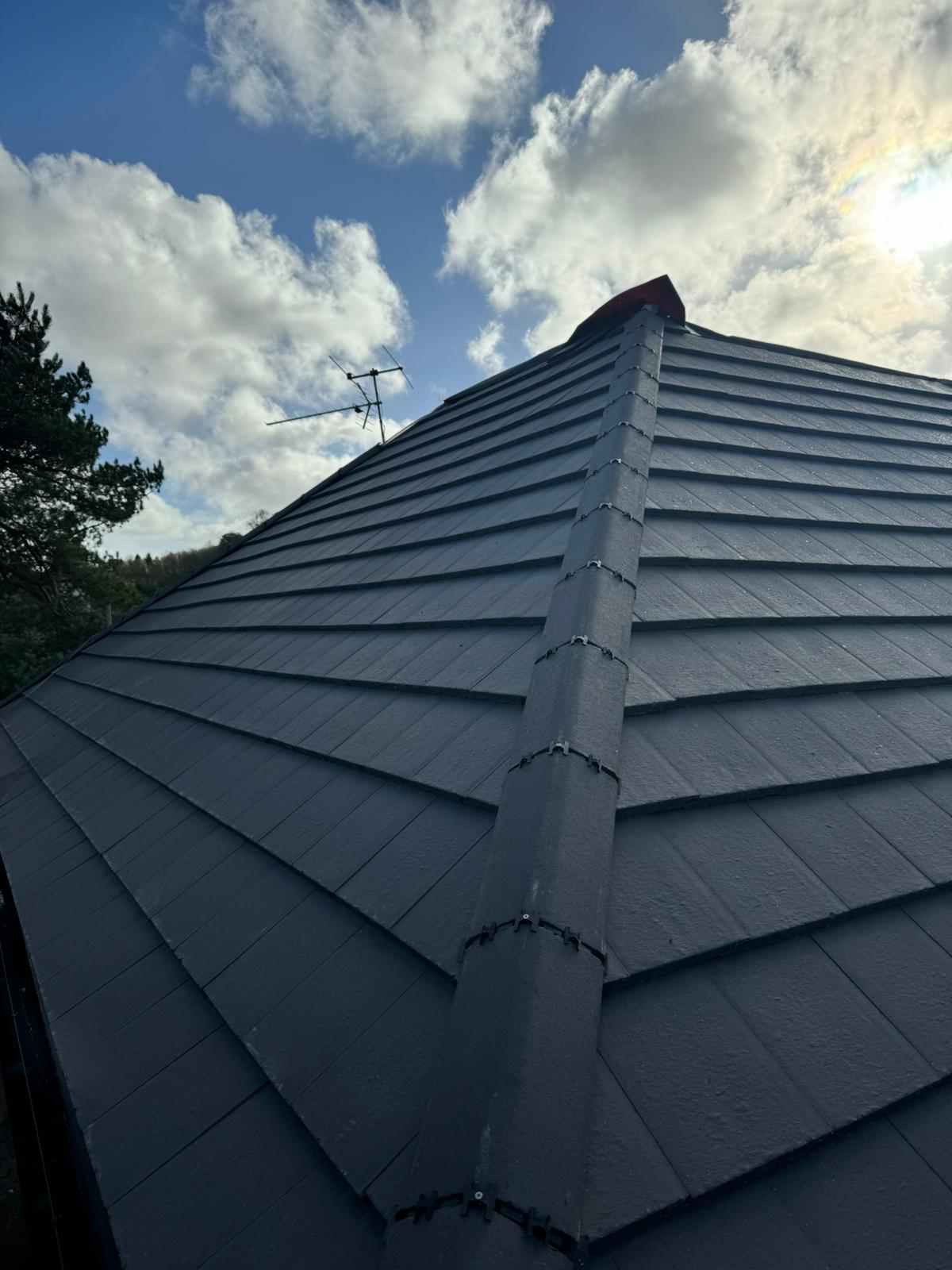
Tile roofing usually refers to concrete or clay tiles. These tiles are manufactured in uniform shapes and sizes, which creates a consistent appearance across the roof.
Tiles are widely used on UK homes because they are versatile, cost effective, and suitable for a wide range of property styles. Modern tiles also come in various colours and finishes, allowing homeowners to match existing roofs or achieve a particular look.
Appearance and visual differences
One of the most noticeable differences between slate and tile roofing is appearance.
Slate roofs tend to look more natural and textured due to the variation in each piece of stone. As a result, slate often suits older buildings or homes in conservation areas.
Tile roofs offer a more uniform finish. Because tiles are manufactured, they provide a consistent look that works well on modern and traditional homes alike.
When appearance matters, homeowners often choose slate for character properties and tiles for practicality and consistency.
Lifespan and durability
Lifespan is a key factor when comparing roofing materials.
Slate roofs are known for their longevity. With proper installation and maintenance, slate can last well over one hundred years. For this reason, slate is often seen as a long term investment.
Tile roofs generally have a shorter lifespan, although this still ranges from several decades depending on the type of tile used. Concrete tiles often last between forty and sixty years, while clay tiles can last longer when well maintained.
Understanding how long each material lasts helps homeowners weigh upfront cost against long term value.
Cost considerations
Cost is often the deciding factor when choosing between slate and tile roofing.
Slate roofing usually costs more due to the price of the material and the skill required to install it. Because each slate is fixed individually, labour time is higher.
Tile roofing is usually more affordable. Tiles are easier and faster to install, which reduces labour costs. This makes tiles a popular choice for many homeowners looking for a balance between cost and durability.
When comparing quotes, it is important to consider both initial cost and expected lifespan.
Weight and roof structure
Another important difference between slate and tile roofing is weight.
Natural slate can be heavier than some types of tiles. This means the roof structure must be strong enough to support the load. In older properties, structural assessment may be required before installing slate.
Tiles also vary in weight, with concrete tiles often heavier than clay tiles. However, most modern roof structures are designed to accommodate tile roofing without issue.
Roofers assess structural suitability as part of any professional inspection.
Installation requirements
Slate roofing requires specialist knowledge and experience. Each slate must be cut and fixed correctly to ensure weather resistance and longevity.
Tile roofing is more straightforward to install. Because tiles are uniform, installation is quicker and less complex.
Professional installation is essential for both materials. Poor workmanship can reduce lifespan and increase the risk of leaks, regardless of the material chosen.
Maintenance and repairs
Both slate and tile roofs require maintenance, although the type of work differs.
Slate roofs rarely fail across large areas, but individual slates can crack or slip over time. Repairs to slate roofs usually involve replacing specific slates rather than large sections.
Tile roofs may require more frequent maintenance, particularly if tiles crack or ridge mortar deteriorates. Repairs to tiled roofs often involve replacing damaged tiles and checking underlay and fixings.
Regular inspections help catch minor issues early and keep repair costs down.
Weather performance
Both materials perform well in UK weather, but there are some differences.
Slate handles rain and frost very effectively due to its low water absorption. This makes it particularly resistant to frost damage.
Tiles also perform well but may absorb slightly more moisture, depending on the type. Over time, this can contribute to surface wear or moss growth if maintenance is neglected.
In exposed areas, correct installation matters more than material choice alone.
Planning and compliance considerations
In some cases, changing roofing materials may require approval. This is particularly relevant for listed buildings or properties in conservation areas.
Homeowners can check requirements using the Planning Portal roofing permission guidance. Roofing work must also comply with GOV.UK Building Regulations, especially where structure or insulation is involved.
Larger projects may require inspection through Local Authority Building Control.
Safety during roofing work
Installing or repairing slate and tile roofs involves working at height. Professional roofers follow guidance from the Health and Safety Executive, including the HSE Working at Height Guidance, to ensure work is carried out safely.
Homeowners should always avoid attempting roofing work themselves.
Which option is right for your home?
Choosing between slate and tile roofing depends on several factors.
Slate suits homeowners looking for a long lasting, traditional material and who are prepared for higher upfront costs. Tile roofing suits those seeking a more affordable option with good performance and wide availability.
A professional assessment helps determine which material best suits the property, roof structure, and budget.
Choosing a reliable roofer
Regardless of material choice, quality workmanship is essential. Experienced roofers ensure materials are installed correctly and comply with regulations.
Platforms such as Checkatrade help homeowners review feedback and choose reliable contractors.
Conclusion
Understanding the difference between slate and tile roofing helps homeowners make informed decisions based on appearance, lifespan, cost, and maintenance. Slate offers longevity and character, while tile roofing provides practicality and value.
If you are considering roofing work and want expert advice tailored to your home, contact us today. Rated Roofers Ltd offers professional inspections and guidance across West Sussex, helping homeowners choose roofing materials that suit their property and long term needs.


Comment (0)