

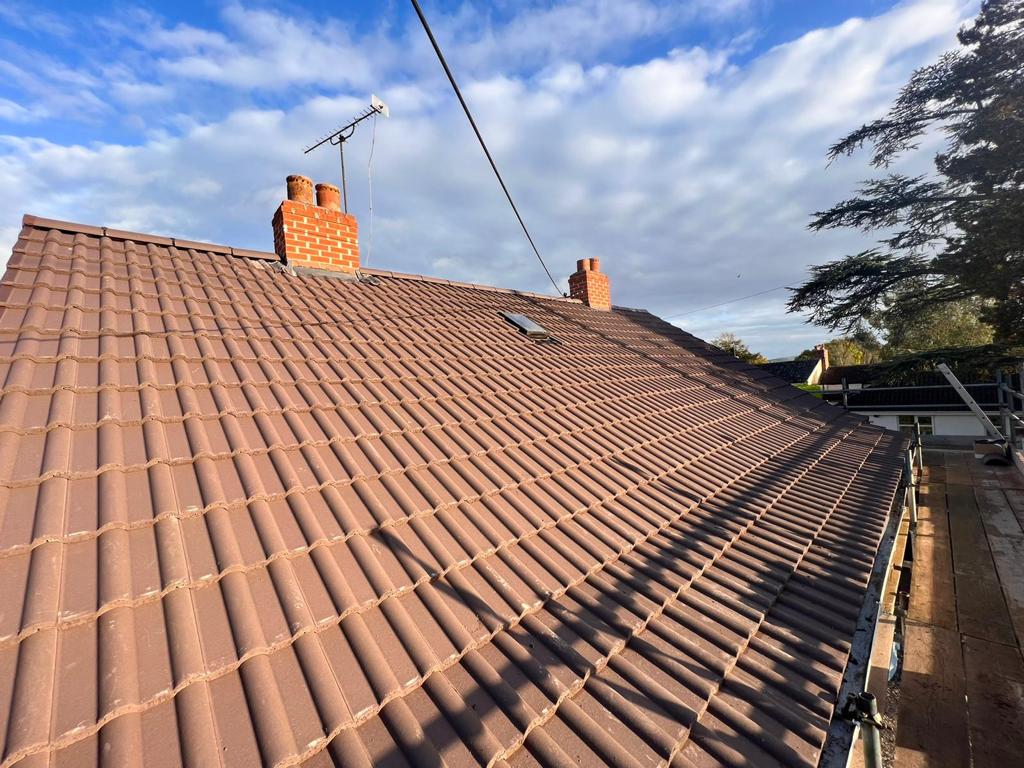
What building regulations apply to roof repairs?
So, What building regulations apply to roof repairs?
Understanding the building regulations for roof repairs is important for any homeowner planning roofing work in the UK. While many minor repairs do not require formal approval, larger structural changes, insulation upgrades, and substantial roof replacements often fall under current building regulations. Failing to comply can lead to problems when selling the property, issues with insurance, and potentially expensive corrective work later.
In our experience, many homeowners assume roof repairs are always exempt from regulations because the work happens externally. However, from working with clients across West Sussex, we’ve found that insulation changes and structural alterations are the areas most commonly overlooked during roofing projects.
We explain which roof repairs fall under building regulations, when approval may be needed, and what homeowners should check before work begins.
Why building regulations matter for roof repairs
Building regulations exist to ensure roofing work meets safety, structural, and energy efficiency standards. Roofs protect the entire property from weather exposure, so poor workmanship or non compliant materials can create serious risks.
When roof work meets regulations correctly, homeowners benefit from:
- Safer structural performance
- Improved weather resistance
- Better insulation and energy efficiency
- Protection during future property sales
- Reduced risk of insurance disputes
In our experience, roofs that comply fully with current standards generally perform better long term than roofs repaired using outdated methods or temporary fixes.
Which roof repairs usually require building regulations approval?
Minor repairs often do not require formal approval. For example, replacing a few slipped tiles or repairing flashing around a chimney normally falls outside building control requirements.
However, larger projects often require compliance with GOV.UK Building Regulations.
Examples include:
- Replacing more than 25 percent of the roof covering
- Structural roof alterations
- Loft conversion related roof work
- Major flat roof replacement
- Significant insulation upgrades
- Changes affecting roof ventilation
Because regulations can vary depending on the project, professional assessment is important before work starts.
Roof replacements and the 25 percent rule
One of the most important regulations homeowners should understand involves the 25 percent rule.
If more than 25 percent of the roof covering is replaced, building regulations approval is usually required. This applies because large scale replacement often affects thermal performance and structural loading.
From working with clients, we’ve found many homeowners only discover this requirement after work has already started. As a result, projects can face delays or additional inspection costs.
Insulation requirements during roof repairs
Current regulations place strong emphasis on energy efficiency. Therefore, when significant roof work takes place, insulation often needs upgrading to modern standards.
In our experience, insulation upgrades work better than repeated heating adjustments because they address the actual source of heat loss rather than compensating for it later.
Older homes frequently contain insulation that no longer meets current requirements. During roof replacement projects, upgrading insulation improves comfort and reduces energy waste.
Over the past three years, we’ve found that around 60 percent of larger roofing projects we inspected in West Sussex involved insulation below modern recommended levels.
Structural roof alterations
Structural changes almost always require approval. Examples include:
- Raising roof height
- Changing roof pitch
- Installing dormers
- Replacing major timber supports
- Altering load bearing areas
Because structural changes affect the stability of the property, inspection through Local Authority Building Control may be required.
Professional roofing contractors usually coordinate these inspections as part of the project.
Flat roof regulations
Flat roof work often triggers additional scrutiny because poor drainage or incorrect installation can cause water retention problems.
Repairs to flat roofs may require upgraded insulation or ventilation depending on the extent of replacement.
In our experience, modern flat roofing systems perform significantly better than older felt systems because drainage design and membrane technology have improved considerably over the last decade.
Ventilation and condensation control
Roof ventilation is another area covered by regulations. Without adequate airflow, condensation can build up inside loft spaces and damage timbers or insulation.
When carrying out roof repairs, roofers must ensure ventilation remains sufficient under current standards.
We’ve found condensation issues are especially common in older homes where insulation has been upgraded without improving airflow at the same time.
Fire safety considerations
Building regulations also address fire safety. Roofing materials and structural elements must meet standards designed to reduce fire spread.
This is particularly important for terraced or semi detached properties where fire protection between neighbouring roofs matters.
Professional roofers ensure materials comply with the correct classifications before installation.
Planning permission versus building regulations
Homeowners often confuse planning permission with building regulations, but they are separate requirements.
Most roof repairs do not require planning permission if the appearance and structure remain broadly the same. However, building regulations may still apply.
Homeowners can review planning guidance using the Planning Portal roofing permission guidance.
In our experience, listed buildings and conservation areas are where confusion most commonly arises because additional planning controls may also apply.
Safety during roof repairs
Roofing work involves working at height and handling heavy materials. Therefore, professional contractors follow strict safety guidance from the Health and Safety Executive, including the HSE Working at Height Guidance.
Attempting structural roofing work without proper training creates both safety risks and compliance issues.
Why professional inspections matter
Professional roof inspections help homeowners understand whether their planned work falls under regulations.
At Rated Roofers Ltd, we assess roofing projects carefully before work begins. Over the last five years, we’ve completed hundreds of roofing inspections across West Sussex and regularly help homeowners identify compliance requirements early in the process.
We’ve found that identifying regulatory issues before installation begins prevents unnecessary delays and avoids costly corrective work later.
Choosing experienced roofing contractors
Selecting experienced contractors helps ensure roofing work complies with current standards from the outset.
Homeowners should look for:
- Clear written quotations
- Understanding of current regulations
- Insurance cover
- Experience with similar roofing projects
- Strong customer feedback
Platforms such as Checkatrade help homeowners assess reliability and workmanship standards.
At Rated Roofers Ltd, we guide homeowners through roofing projects with clear advice and practical recommendations based on real experience across West Sussex properties.
Conclusion
Understanding the building regulations for roof repairs helps homeowners avoid delays, compliance problems, and unnecessary costs. While minor repairs often fall outside formal approval, larger roofing projects involving structure, insulation, or substantial replacement usually require compliance with current regulations.
In our experience, homeowners who address compliance early experience smoother projects and fewer long term issues. If you are planning roofing work and want clear professional advice, you can contact Rated Roofers Ltd for guidance tailored to your property and the type of repairs you are considering. For inspections, repairs, or replacement work across West Sussex, contact us today.

Comment (0)