


Common causes of roof leaks in UK homes
Some Common causes of roof leaks in UK homes
Roof leaks are one of the most common issues faced by homeowners across the country. The UK climate brings frequent rainfall, strong winds, and periods of freezing weather, all of which put roofs under constant pressure. Understanding the causes of roof leaks in UK homes helps homeowners spot problems early and avoid damage that can spread through ceilings, walls, and roof timbers.
WE explain the most common reasons roofs leak, how these problems develop, and what can be done to prevent them.
Damaged or missing roof tiles
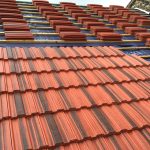
One of the leading causes of roof leaks in UK homes is damaged roof tiles. Tiles can crack, break, or slip due to age, storms, or general wear.
Even a single missing or cracked tile can allow rainwater to enter beneath the roof covering. Water may then travel along the underlay or roof timbers before appearing inside the home, often far from the original entry point.
Professional repairs to tiled roofs and slate roofs help restore the roof’s protective surface and prevent leaks from developing.
Failed roof flashing
Flashing is used to seal joints where the roof meets chimneys, walls, valleys, and roof windows. Over time, flashing can crack, lift, or become loose due to weather exposure or building movement.
When flashing fails, water can enter easily, particularly during heavy rain. Leaks caused by flashing often appear near chimney breasts or along external walls.
Flashing problems are commonly identified during chimney repairs and general roof inspections.
Blocked or overflowing gutters
Gutters play an important role in directing rainwater away from the roof and walls. When gutters become blocked with moss, leaves, or debris, water can overflow and seep beneath roof tiles.
Overflowing gutters can also cause water to soak into walls, leading to damp and staining indoors. Over time, this can damage roofline components and contribute to roof leaks.
Maintaining UPVC soffits and fascias helps protect the edges of the roof and supports effective drainage.
Moss growth on the roof
Moss growth is very common in the UK, especially in shaded or damp areas. While moss may appear harmless, it traps moisture against roof tiles and can lift them slightly as it grows.
Lifted tiles allow water to enter beneath the roof covering. During freezing weather, trapped moisture can also cause tiles to crack.
Regular moss removal helps reduce moisture retention and lowers the risk of leaks developing over time.
Ageing roof underlay
Roof underlay sits beneath the tiles and provides a second layer of protection against water. Over time, underlay can degrade, tear, or become brittle, especially on older roofs.
When underlay fails, water that gets past the tiles can reach the roof structure more easily. This often leads to leaks that are harder to trace and more damaging.
If underlay has deteriorated across large areas, roof repairs may no longer be enough and wider work may be required.
Poor roof installation
Incorrect installation is another common cause of roof leaks in UK homes. Issues such as poorly fitted tiles, inadequate overlaps, or incorrect fixing methods can allow water to enter the roof.
Installation faults may not cause immediate leaks but often lead to problems later, especially during periods of heavy rain or strong winds.
Using experienced roofers and ensuring work meets standards set out under GOV.UK Building Regulations helps reduce the risk of installation related leaks.
Flat roof drainage problems
Flat roofs are more vulnerable to leaks than pitched roofs because water drains more slowly. If drainage outlets become blocked or the roof surface develops dips, water can pool.
Standing water increases the risk of cracks forming in the roof covering, allowing water to enter. Regular inspection and maintenance of flat roofs helps identify drainage issues before leaks occur.
Cracked mortar and ridge tiles
Ridge tiles and mortar joints are exposed to weather on all sides. Over time, mortar can crack or crumble, allowing water to seep through.
Loose ridge tiles also create gaps where rain can enter. These issues are often overlooked because they are less visible from the ground.
Early repairs help prevent water from reaching the roof structure and causing further damage.
Condensation mistaken for leaks
Not all water in a roof space comes from external leaks. Poor ventilation can cause condensation to form in the loft, leading to damp patches and mould.
Condensation is often mistaken for a roof leak, but it requires a different solution. Improving ventilation and insulation usually resolves the issue.
Roof inspections help determine whether water is entering from outside or forming due to condensation.
Storm damage
High winds and heavy rain can cause sudden roof damage. Tiles may be lifted or displaced, flashing can loosen, and debris can block gutters.
After severe weather, it is important to check for visible signs of damage from ground level and arrange an inspection if anything looks out of place.
Early action after storms often prevents minor damage from becoming a serious leak.
Planning and compliance issues
Roof alterations carried out without proper consideration can sometimes contribute to leaks. Changes that affect roof structure or drainage must comply with regulations.
Homeowners can check guidance using the Planning Portal roofing permission guidance before starting major work. Structural changes may also involve inspection through Local Authority Building Control.
Safety when dealing with roof leaks
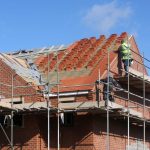
Inspecting or repairing a roof involves working at height. Professional roofers follow guidance from the Health and Safety Executive, including advice set out in the HSE Working at Height Guidance.
Homeowners should avoid climbing onto the roof themselves and instead arrange a professional inspection.
Choosing the right roofing professional
When dealing with roof leaks, choosing a reliable roofer is essential. Homeowners should look for:
-
Clear explanations of the cause of the leak
-
Written quotations
-
Insurance cover
-
Experience with the relevant roof type
-
Strong customer reviews
Platforms such as Checkatrade help homeowners assess reliability and workmanship.
Local specialists such as Rated Roofers Ltd provide professional leak diagnosis and repairs based on experience with UK roofing conditions.
Preventing roof leaks in the future
Many roof leaks can be prevented with regular maintenance. Homeowners can reduce risk by:
-
Scheduling routine roof inspections
-
Clearing gutters regularly
-
Managing moss growth
-
Repairing damaged tiles promptly
-
Checking flashing and roof joints
These steps help extend the life of the roof and reduce unexpected repair costs.
Conclusion
Understanding the causes of roof leaks in UK homes helps homeowners spot problems early and take action before damage spreads. From cracked tiles and failed flashing to blocked gutters and moss growth, most leaks develop gradually and can be prevented with regular care.
If you have noticed signs of a leak or want peace of mind about your roof’s condition, contact us today. Rated Roofers Ltd provides professional roof inspections and repairs across West Sussex, helping homeowners keep their properties dry, secure, and protected all year round.

Comment (0)