

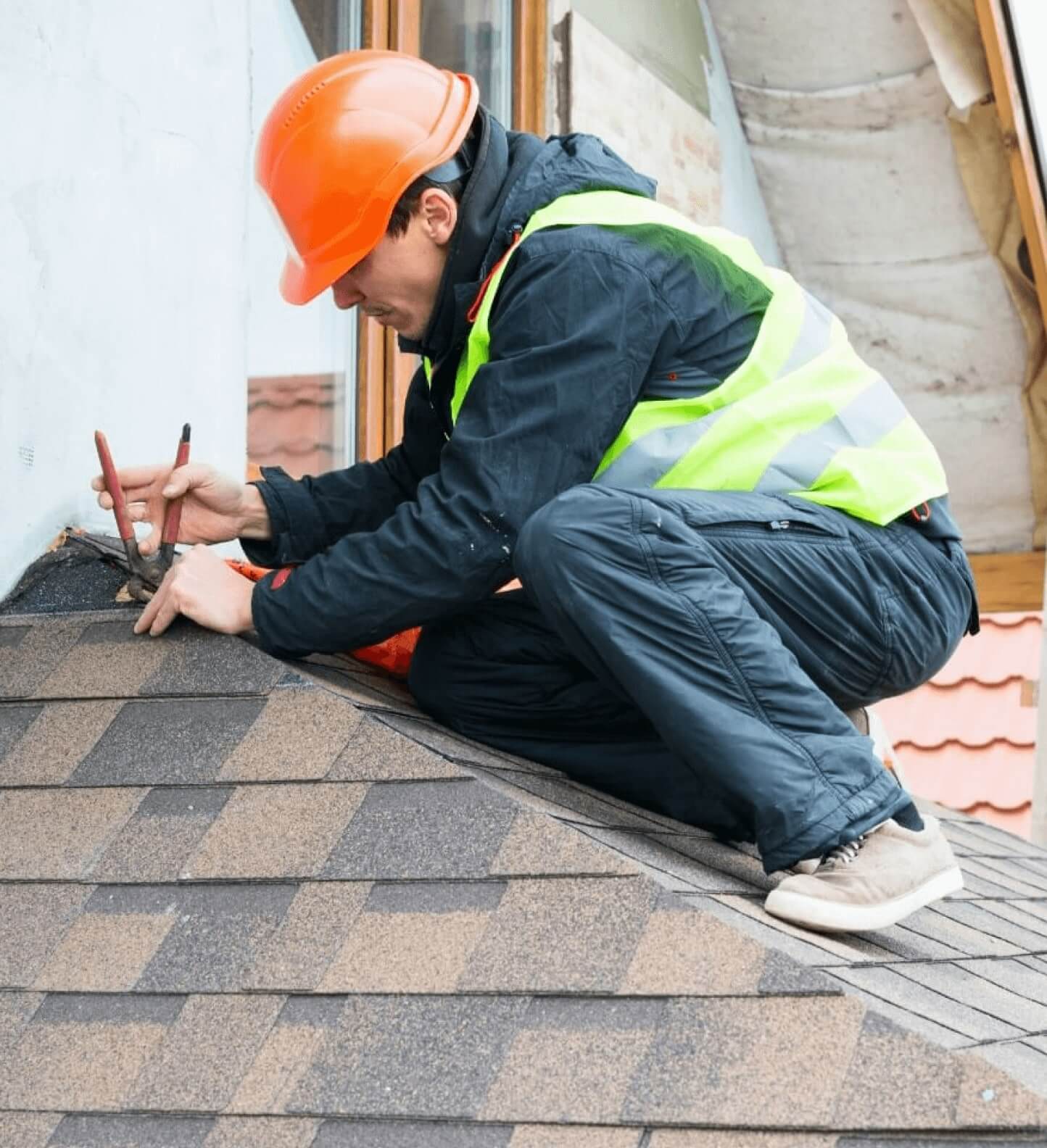
How often should lead flashing be checked or replaced?
How often should lead flashing be checked or replaced?
Lead flashing is one of the most important parts of a roof, yet it is often overlooked until a leak appears. Flashing is fitted where the roof meets walls, chimneys, valleys, and other junctions. Its job is to keep water out of areas that are most vulnerable to leaks. Knowing when lead flashing be checked or replaced helps homeowners prevent water damage and avoid costly repairs.
We explain how lead flashing works, how long it usually lasts, how often it should be checked, and when replacement is the right option.
What lead flashing does
Lead flashing creates a waterproof seal at joints where roofing materials meet brickwork or other surfaces. Common locations include:
-
Around chimneys
-
Along roof valleys
-
Where roofs meet walls
-
Around dormer windows
-
At abutments and parapets
Because these areas channel large amounts of rainwater, flashing plays a vital role in protecting the roof structure and interior of the property.
How long does lead flashing last?
When installed correctly, lead flashing is very durable. In many cases, it can last twenty to forty years, and sometimes longer. Lead is flexible, resistant to corrosion, and well suited to the UK climate.
However, flashing does not always fail because the lead itself wears out. Problems often occur due to poor installation, movement in the building, or damage from weather exposure.
How often lead flashing should be checked
As a general rule, lead flashing should be checked at least once a year as part of a routine roof inspection. Annual checks allow early signs of wear or movement to be spotted before leaks develop.
In addition to yearly inspections, flashing should also be checked:
-
After severe storms or high winds
-
If you notice damp patches on ceilings or walls
-
If water is entering near a chimney or wall
-
During other roofing work or repairs
Properties with older roofs or chimneys may benefit from more frequent checks.
Signs that lead flashing needs attention
There are several warning signs that flashing may need repair or replacement. These include:
-
Cracks or splits in the lead
-
Loose or lifted flashing
-
Gaps between flashing and brickwork
-
Staining or damp patches on internal walls
-
Drips during heavy rain
-
Mortar failing where flashing is tucked into walls
If any of these signs are present, it is important to have the flashing inspected by a professional.
Why lead flashing fails
Lead flashing can fail for several reasons.
Thermal movement
Lead expands and contracts with temperature changes. If it is not installed with enough allowance for movement, it can crack over time.
Poor installation
Incorrect fixing methods, shallow chases, or inadequate overlaps reduce the lifespan of flashing.
Building movement
Older properties may experience slight movement, especially around chimneys. This can loosen flashing or cause cracks.
Weather exposure
Heavy rain, strong winds, and frost all place stress on flashing, particularly in exposed areas.
Checking lead flashing during roof repairs
Flashing should always be checked during roof repairs. Leaks are often traced back to flashing rather than the tiles themselves. Replacing a small section of flashing during repairs can prevent repeat problems.
When roof tiles or slates are lifted, it provides an ideal opportunity to assess the condition of the flashing underneath.
Lead flashing around chimneys
Chimneys are one of the most common sources of roof leaks. Flashing around chimneys is exposed to large volumes of water and frequent movement.
Professional chimney repairs often include inspecting and repairing flashing as well as mortar joints. Addressing both together provides better long term protection.
When lead flashing should be replaced
Not all flashing issues require full replacement. Small cracks or loose sections can sometimes be repaired. However, replacement is usually the best option when:
-
Flashing is badly cracked or split
-
Multiple sections have failed
-
Lead has thinned significantly
-
Previous repairs have repeatedly failed
-
Flashing no longer meets current standards
Replacing flashing provides a long lasting solution and reduces the risk of future leaks.
Lead flashing and roof replacement
If a roof is being replaced, existing flashing should always be assessed. In many cases, it makes sense to install new flashing at the same time as new roofs. This ensures all components have a similar lifespan and avoids disturbing new tiles later.
Major roofing work must comply with GOV.UK Building Regulations, particularly where weatherproofing and insulation are concerned. Structural changes may also require inspection through Local Authority Building Control.
Planning permission and flashing work
Most flashing repairs or replacements do not require planning permission. However, listed buildings or properties in conservation areas may have restrictions.
Homeowners can check requirements using the Planning Portal roofing permission guidance before starting work.
Safety considerations when inspecting flashing
Lead flashing is often located in hard to reach areas such as chimneys and valleys. Inspecting or repairing it involves working at height.
Professional roofers follow guidance from the Health and Safety Executive, including specific advice in the HSE Working at Height Guidance. This ensures work is carried out safely and without unnecessary risk.
Homeowners should avoid attempting to inspect flashing themselves unless it can be safely viewed from the ground.
How regular checks save money
Regular inspections of lead flashing help catch small issues before they cause major leaks. Replacing a section of flashing is far cheaper than repairing internal water damage or replacing roof timbers.
Routine checks also help homeowners plan maintenance rather than dealing with unexpected emergencies.
Choosing the right roofing professional
Flashing work requires skill and experience. Incorrect installation often leads to repeat problems. When choosing a roofer, homeowners should look for:
-
Experience with lead flashing work
-
Clear explanations of repair or replacement options
-
Insurance cover
-
Strong customer feedback
Platforms such as Checkatrade help homeowners assess reliability and workmanship.
Local specialists such as Rated Roofers Ltd carry out flashing inspections and repairs based on experience of local building styles and weather conditions.
So how often should lead flashing be checked or replaced?
In most cases, lead flashing should be checked once a year and after severe weather. Replacement is not needed often, but when flashing shows signs of cracking, movement, or repeated failure, replacing it provides the most reliable solution.
Conclusion
Lead flashing plays a vital role in keeping your roof watertight, particularly around chimneys and roof joints. Understanding when lead flashing be checked or replaced helps homeowners prevent leaks, protect their property, and avoid costly damage.
If you are concerned about the condition of your flashing or have noticed signs of water ingress, contact us today. Rated Roofers Ltd provides professional roof inspections, lead flashing repairs, and replacements across West Sussex, helping homeowners keep their roofs secure and weather resistant all year round.


Comment (0)