

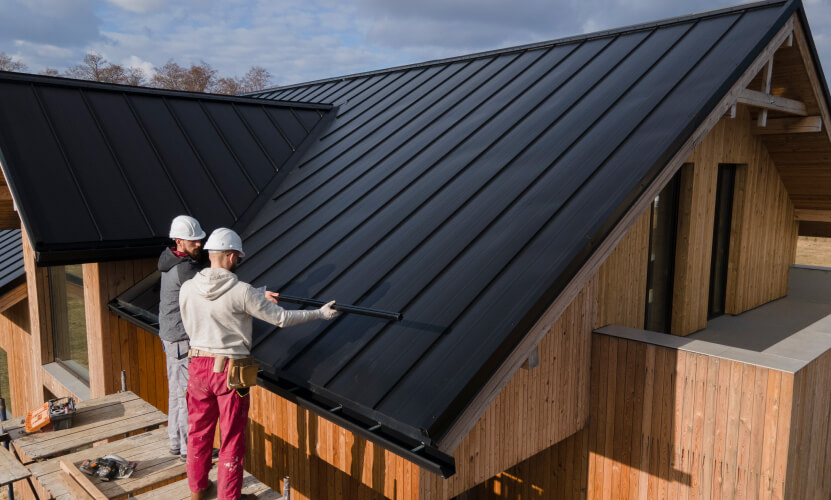
How winter weather affects your roof
How winter weather affects your roof
Winter places significant strain on roofing materials across the UK. Cold temperatures, heavy rain, frost, and strong winds all test the strength of tiles, mortar, flashing, and roofline components. Understanding how winter weather affects your roof helps homeowners prepare in advance and reduce the risk of unexpected repairs.
We explain the most common winter roofing problems, why they occur, and what steps you can take to protect your home.
Freeze and thaw damage
One of the biggest winter risks to roofing materials is the freeze and thaw cycle. When rainwater seeps into small cracks in tiles or mortar and then freezes, it expands. As temperatures rise, the ice melts and leaves slightly larger gaps behind.
Over time, repeated freezing and thawing weakens tiles, ridge pointing, and flashing. As a result, cracks widen and allow more water to enter. Eventually, this process can lead to slipped tiles or visible leaks.
Regular inspections before and after winter help identify early signs of this type of damage.
Heavy rainfall and water ingress
Winter often brings prolonged periods of rainfall. While roofs are designed to shed water, any weakness increases the risk of penetration.
If tiles are already loose or mortar has begun to deteriorate, water can enter beneath the surface. Professional roof repairs address these vulnerabilities before they develop into internal damp problems.
Additionally, blocked gutters increase the likelihood of water backing up under roof edges. Therefore, clearing gutters before winter reduces unnecessary pressure on roofing materials.
Wind damage during winter storms
Strong winds frequently accompany winter storms. Gusts can lift loose tiles, dislodge ridge tiles, or weaken flashing around chimneys.
If ridge mortar has already started to crack, winter winds may cause sections to break away completely. Consequently, homeowners may notice fallen mortar or tiles on the ground after storms.
Prompt attention to damaged areas prevents water entering the roof space during subsequent rainfall.
Moss and moisture retention
Moss growth tends to worsen in winter due to damp conditions and limited sunlight. Moss traps moisture against the roof surface, which increases the effects of freeze and thaw cycles.
Over time, retained moisture can lift tiles slightly, creating small gaps where water may enter. Regular moss removal helps reduce moisture retention and protect roofing materials during colder months.
Flat roof strain in winter
Flat roofs experience additional pressure in winter because water drains more slowly from flat surfaces. During heavy rainfall, water may pool temporarily.
If drainage outlets become blocked, standing water can place strain on the roof covering. Repairs to flat roofs before winter ensure waterproofing remains intact and drainage remains effective.
Checking flat roofs in autumn reduces the risk of mid winter leaks.
Chimney and flashing vulnerability
Chimneys are particularly exposed during winter weather. Mortar joints can weaken due to moisture penetration, while flashing may loosen under wind pressure.
Professional chimney repairs secure masonry and restore proper sealing. Addressing these areas early prevents rainwater entering around the chimney stack.
Snow and additional weight
Although heavy snowfall is less common in southern England, it can still occur. Accumulated snow adds weight to roofing structures and may highlight existing weaknesses.
If tiles are already loose or underlay has deteriorated, additional weight can worsen the issue. Therefore, pre winter inspections reduce the risk of structural strain during colder spells.
Roofline components and drainage
Soffits, fascias, and guttering play an important role in winter. When these components deteriorate, water may overflow or seep into brickwork.
Maintaining UPVC soffits and fascias ensures proper drainage during heavy rainfall. Clearing leaves from gutters before winter further reduces the risk of water backing up under roof tiles.
When winter reveals deeper issues
In many cases, winter does not cause roofing problems but instead exposes existing weaknesses. Small cracks or minor tile movement during summer may not cause visible issues. However, under winter pressure, these weaknesses can lead to leaks.
If problems continue to appear across large areas, installing new roofs may provide better long term protection than repeated temporary repairs.
Compliance and safety considerations
Roofing work carried out before or after winter must comply with recognised standards. Structural changes or insulation upgrades should meet GOV.UK Building Regulations. In some situations, inspection through Local Authority Building Control may apply.
Homeowners can review planning guidance using the Planning Portal roofing permission guidance.
Because winter roofing involves working at height in potentially slippery conditions, professionals follow guidance from the Health and Safety Executive, including the HSE Working at Height Guidance.
Preventative steps before winter
Homeowners can take several practical steps to prepare their roof for winter:
-
Arrange a professional roof inspection
-
Replace cracked or slipped tiles
-
Clear gutters and downpipes
-
Remove moss buildup
-
Check flashing around chimneys
-
Address minor mortar cracks
By completing these tasks in autumn, homeowners reduce the risk of emergency repairs during colder months.
Choosing experienced roofers
Selecting reliable professionals ensures winter preparation is thorough. Homeowners should look for clear quotations, proof of insurance, and positive customer reviews.
Platforms such as Checkatrade help assess workmanship and reliability.
At Rated Roofers Ltd, we provide professional inspections and repairs across West Sussex. We assess each roof carefully and recommend practical solutions that protect homes through winter conditions.
Conclusion
Understanding how winter weather affects your roof allows homeowners to act before problems escalate. Freeze and thaw cycles, heavy rainfall, strong winds, and moss growth all place strain on roofing materials. However, with regular maintenance and early repairs, most winter related damage can be prevented.
If you would like your roof inspected before winter or need advice following storm damage, contact us today. We provide reliable roofing services across West Sussex, helping homeowners keep their properties safe and weather resistant throughout the year.


Comment (0)