


Signs your roof needs repairing
Signs your roof needs repairing
Many roofing problems start small and develop quietly over time. By the time water appears inside the home, damage has often already spread. Knowing the early signs that a roof needs repairing helps homeowners act quickly, avoid costly repairs, and protect the structure of their property.
We explain the most common warning signs that indicate roof repairs may be needed and why early action makes such a difference.
Visible damage to roof tiles or slates
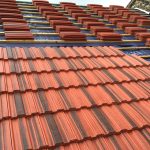
One of the clearest signs that a roof needs repairing is visible damage to tiles or slates. Cracked, broken, or missing tiles allow water to enter beneath the roof covering.
From the ground, you may notice tiles that look uneven, slipped, or out of place. On slate roofs, individual slates may appear loose or missing altogether. Even one damaged tile can be enough to cause a leak over time.
Professional repairs to tiled roofs and slate roofs help restore protection before water reaches the roof structure.
Leaks or damp patches inside the home
Water entering the roof does not always show up straight away. Damp patches on ceilings or walls are often a sign that water has been travelling through the roof space for some time.
You may notice brown marks on ceilings, peeling paint, or damp patches near chimney breasts or external walls. These signs strongly suggest the roof needs repairing, even if the leak is not constant.
Early roof repairs can stop the leak and prevent further damage to ceilings, insulation, and timbers.
Moss growth lifting tiles
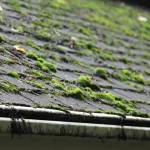
Moss is common on roofs, particularly in shaded or damp areas. While small amounts of moss may seem harmless, heavy growth can lift tiles and allow water underneath.
Moss holds moisture against the roof surface, increasing the risk of tile damage during freezing weather. Over time, this can lead to leaks and deterioration of the underlay.
Professional moss removal helps reduce moisture retention and prevents tiles from shifting.
Sagging or uneven rooflines
A roofline should appear straight and level. If you notice sagging areas or dips along the roof, this may indicate a structural issue beneath the surface.
Sagging can be caused by long term water damage, rotting timbers, or excessive weight from wet materials. This is a serious sign that the roof needs repairing and should be inspected as soon as possible.
Structural roofing issues may require assessment under GOV.UK Building Regulations to ensure repairs meet safety standards.
Damaged flashing around chimneys and joints
Flashing seals the joints where the roof meets chimneys, walls, and valleys. When flashing becomes loose, cracked, or damaged, water can easily enter the roof.
Common signs of flashing problems include damp patches near chimneys, water stains on walls, or visible gaps around flashing from ground level.
Flashing is often inspected during chimney repairs and general roof maintenance.
Blocked or overflowing gutters
Gutters play an important role in directing rainwater away from the roof and walls. When gutters become blocked with moss, leaves, or debris, water can overflow and seep beneath roof tiles.
Overflowing gutters can cause damp patches on walls and damage to roofline components such as fascias and soffits. Persistent gutter issues may indicate underlying roof problems that need attention.
Maintaining UPVC soffits and fascias helps protect the edges of the roof and improve drainage.
Daylight visible in the loft
If you can see daylight coming through the roof when standing in the loft, this is a clear sign that the roof needs repairing. Gaps in the roof covering allow water, wind, and cold air to enter.
Daylight may appear through missing tiles, damaged underlay, or gaps around roof joints. These issues should be repaired promptly to prevent leaks and heat loss.
Repeated repairs becoming frequent
If you find that roof repairs are needed regularly, it may indicate a wider problem. Replacing individual tiles repeatedly may no longer be effective if the roof covering or underlay has aged.
At this stage, a roofer may advise whether ongoing repairs are still suitable or whether replacing larger sections or installing new roofs would be more cost effective.
Water pooling on flat roofs
Flat roofs require particular attention. Water should drain away quickly after rainfall. If water pools or remains on the surface for long periods, the roof needs repairing.
Standing water increases the risk of leaks and can shorten the lifespan of the roof covering. Regular inspection of flat roofs helps identify drainage issues early.
Storm damage and loose materials
Strong winds and heavy rain can loosen tiles, ridge pieces, and flashing. After a storm, it is wise to check for visible damage from ground level.
Loose materials may not cause immediate leaks but can become a problem during the next period of bad weather. Inspections after storms help ensure small issues are addressed quickly.
Safety and inspections
Roof inspections and repairs involve working at height. Professional roofers follow guidance from the Health and Safety Executive, including advice set out in the HSE Working at Height Guidance.
Homeowners should avoid climbing onto the roof themselves and instead arrange a professional inspection.
Planning and compliance
Most roof repairs do not require planning permission. However, significant repairs or changes to the roof structure may have requirements, particularly for listed buildings.
Homeowners can check guidance through the Planning Portal roofing permission guidance if unsure. Structural work may also involve inspection through Local Authority Building Control.
Choosing the right roofing professional
When a roof needs repairing, choosing the right roofer is essential. Homeowners should look for:
-
Clear explanations of the problem
-
Written quotations
-
Insurance cover
-
Experience with the relevant roof type
-
Strong customer reviews
Platforms such as Checkatrade help homeowners assess reliability and workmanship.
Local specialists such as Rated Roofers Ltd provide professional roof inspections and repairs based on experience with West Sussex properties.
Conclusion
Recognising the signs that a roof needs repairing allows homeowners to act early and avoid unnecessary damage. Cracked tiles, leaks, moss growth, and sagging areas should never be ignored.
If you have noticed any of these warning signs or want reassurance about the condition of your roof, contact us today. Rated Roofers Ltd provides expert roof inspections and repairs across West Sussex, helping homeowners keep their roofs safe, secure, and in good condition.

Comment (0)