


Roof Repair Pulborough
Professional Roof Repair Pulborough
If you need roof repair in Pulborough, we cover it. Rated Roofers carry out roof repairs across Pulborough and the surrounding Arun valley villages, from slipped and cracked tiles to leaking chimneys, failed flashing, damaged ridge work and worn flat roofs. Most faults are quick to diagnose once someone has been up to look properly, and the earlier a problem is caught the less it costs to put right. If you have a damp patch upstairs, mortar appearing on the drive or tiles sitting out of line, that is the point to have it assessed rather than waiting for the next spell of bad weather.
Pulborough is a particular sort of place to own a roof, and it is worth understanding why. The village sits at the confluence of the River Arun and the River Rother, looking south across a broad tidal floodplain towards the Downs, with the northern boundary of the South Downs National Park running just to the south of it. That position brings constant damp off the water meadows and wind funnelling up the open valley, and the housing stock ranges from period cottages along the old Stane Street route to Victorian and modern homes spread across the parish. The result is a very specific set of roofing problems, which the rest of this guide sets out along with what a proper repair involves.
Why Pulborough roofs take a beating
Three local factors do most of the damage here.
The first is damp. With the Arun floodplain immediately to the south and the Rother joining nearby, humidity stays high year round. That encourages moss, keeps roof timbers from drying out properly, and accelerates decay in any roof that is poorly ventilated. We’ve found that roofs in low-lying river villages carry noticeably heavier moss growth than equivalent properties a few miles inland on higher ground, and moss is not just cosmetic. It holds water against the tiles, blocks gutters every time it rains and speeds up the erosion of mortar joints. Regular moss removal is preventative maintenance in a place like this rather than a tidying-up job.
The second is exposure. Because the village looks out over open floodplain rather than sheltered ground, wind comes in with little to break it. Ridge lines, gable verges and any tile already sitting loose take the brunt of that.
The third is age. Pulborough has a long history as a settlement, with a designated conservation area covering its historic core and a good number of older buildings within the parish. Older roofs fail in stages rather than all at once, which means small faults accumulate quietly for years before anything visible happens indoors. These are exactly the sort of older and period properties where a proper inspection tends to find several small issues rather than one big one.
The repairs we are called out for most
Certain jobs come up again and again across the village and its outlying lanes.
- Slipped, cracked and missing tiles or slates. The most common repair by a distance, usually the result of wind, failed nails or simple age. One gap is enough to let water reach the battens and timbers below.
- Ridge and verge work. Exposed valley positions punish the mortar along the top and edges of a roof. Failed ridge pointing is behind a large share of the emergency calls we get after the first serious blow of the autumn, and a loose ridge tile on an exposed gable is a safety issue as much as a leak.
- Chimney repairs and leadwork. Period homes here have plenty of chimneys, and eroded pointing, cracked flaunching or split lead flashing are frequent causes of damp appearing on upstairs walls. Our chimney repairs work often runs alongside general roof repair.
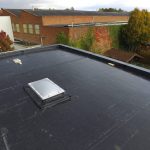
- Flat roof leaks. Extensions, garages, porches and outbuildings across the parish commonly have flat roofs that fail at the seams or pond water where the fall has sagged. We repair and where necessary replace flat roof coverings.
- Damp and ventilation faults. In a humid valley setting, condensation in the loft is regularly mistaken for a leak. Telling the two apart properly saves paying for the wrong repair.
Anything beyond a single slipped tile is worth an inspection first, because a roof leaking in one visible spot has usually been letting water in elsewhere for longer than the owner realises. Our general roof repair work starts there rather than with a guess from the ground.
Conservation area and National Park considerations
This is where local knowledge earns its keep. Pulborough has a designated conservation area covering its historic centre, and the planning authority for the village is Horsham District Council. The National Park boundary runs immediately to the south, so properties on that side of the village can fall under different arrangements to those in the centre. It is worth checking which side of the line your address sits on before committing to any work that changes the roof’s appearance.
In practice, repairs which are routine elsewhere can carry extra rules here. Within a conservation area your permitted development rights may be restricted, and on a listed building even a like-for-like repair using matching materials can require Listed Building Consent. Matching the original material is frequently a condition of being allowed to do the work at all rather than a matter of taste.
In our experience, repairing a period Pulborough roof with matching clay tiles or reclaimed natural slate works better than re-covering in cheaper modern concrete tiles, because concrete is significantly heavier than the handmade clay or slate these roofs were originally built for, and older rafters were never designed to carry that load. On top of the structural risk, the change in appearance can breach conservation area requirements and leave you taking the new roof back off. The cost difference at the outset is far smaller than the cost of doing it twice.
Why leaving it costs more
Roof repair is one of those jobs where waiting reliably makes the bill bigger. A slipped tile is a modest fixed cost. The same roof left through a wet winter, with a saturated ceiling, perished battens and rotten felt beneath, is a different order of expense, and in a damp river valley that decay runs faster than most people expect. From working with clients across West Sussex, the gap between a small repair and a partial re-roof is very often just a question of how long the fault sat there.
Storm damage follows the same pattern. Getting a roof made safe and watertight quickly after a bad night stops one point of failure turning into weeks of water getting in, which is why we run a 24-hour emergency callout.
Choosing a roofer in Pulborough
Roofing is not regulated the way some trades are, so who you call matters. Rated Roofers are a family-run firm with over 20 years of experience working on roofs across Worthing, Pulborough and the wider West Sussex area. We are fully insured, members of Approved Roofers and the Roofing Register, and listed on Checkatrade, so the work is vetted and accountable. In a village with conservation status and a mixed stock of period and modern homes, knowing how these roofs were originally built and what the council will accept is part of the job rather than an extra.
If you have a roof repair in Pulborough that needs looking at, whether it is one slipped tile or a leak you cannot trace, rated roofers will assess it properly before quoting. Get in touch for a free, no-obligation quote and we will tell you honestly what the roof needs and what it does not.

Comment (0)