What Are The Most Common Flat Roof Materials?
4 min readBy Jacob Francis
On this page (15)
- 01So, What are the most common flat roof materials?
- 02Why flat roof material choice matters
- 03Felt roofing
- 04EPDM rubber roofing
- 05GRP fibreglass roofing
- 06Single ply membrane roofing
- 07Asphalt roofing
- 08Comparing lifespan and durability
- 09Maintenance considerations
- 10Flat roof repairs and replacements
- 11Building regulations and compliance
- 12Safety and professional installation
- 13How we help homeowners choose the right flat roof
- 14Choosing a reliable roofer
- 15Conclusion
So, What are the most common flat roof materials?
Flat roofs are widely used across the UK, particularly on extensions, garages, and commercial buildings. Choosing the right material is important because flat roofs must manage water differently from pitched roofs. Each option has its own strengths, lifespan, and maintenance needs.
Understanding the common flat roof materials helps homeowners make informed decisions and avoid issues such as leaks or premature failure.
Why flat roof material choice matters
Unlike pitched roofs, flat roofs do not shed water as quickly. As a result, the material must provide strong waterproofing and cope with standing water during heavy rainfall.
The right flat roof material improves durability, reduces maintenance, and lowers long term repair costs. In contrast, the wrong choice can lead to frequent repairs and disruption.
Felt roofing
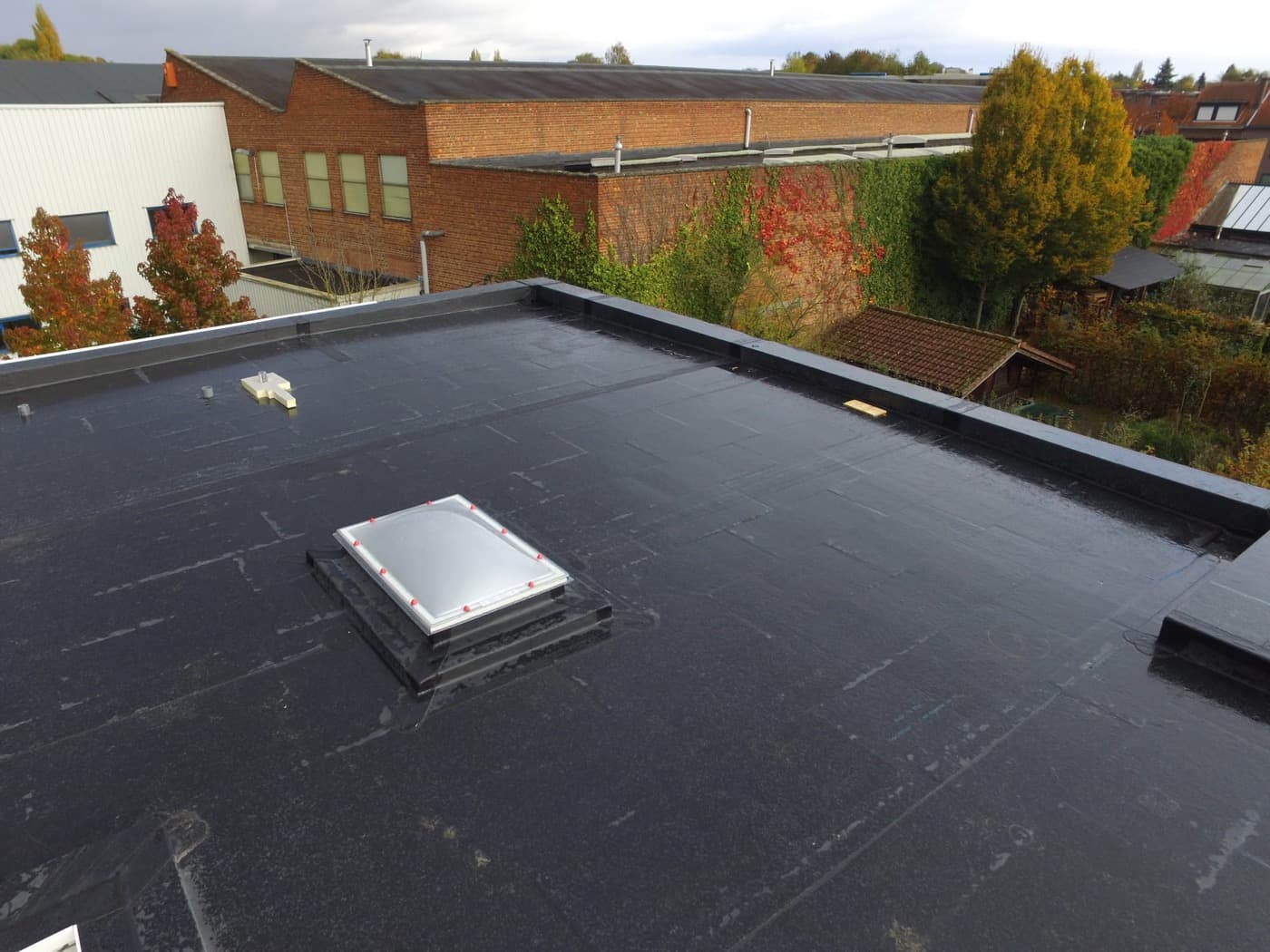
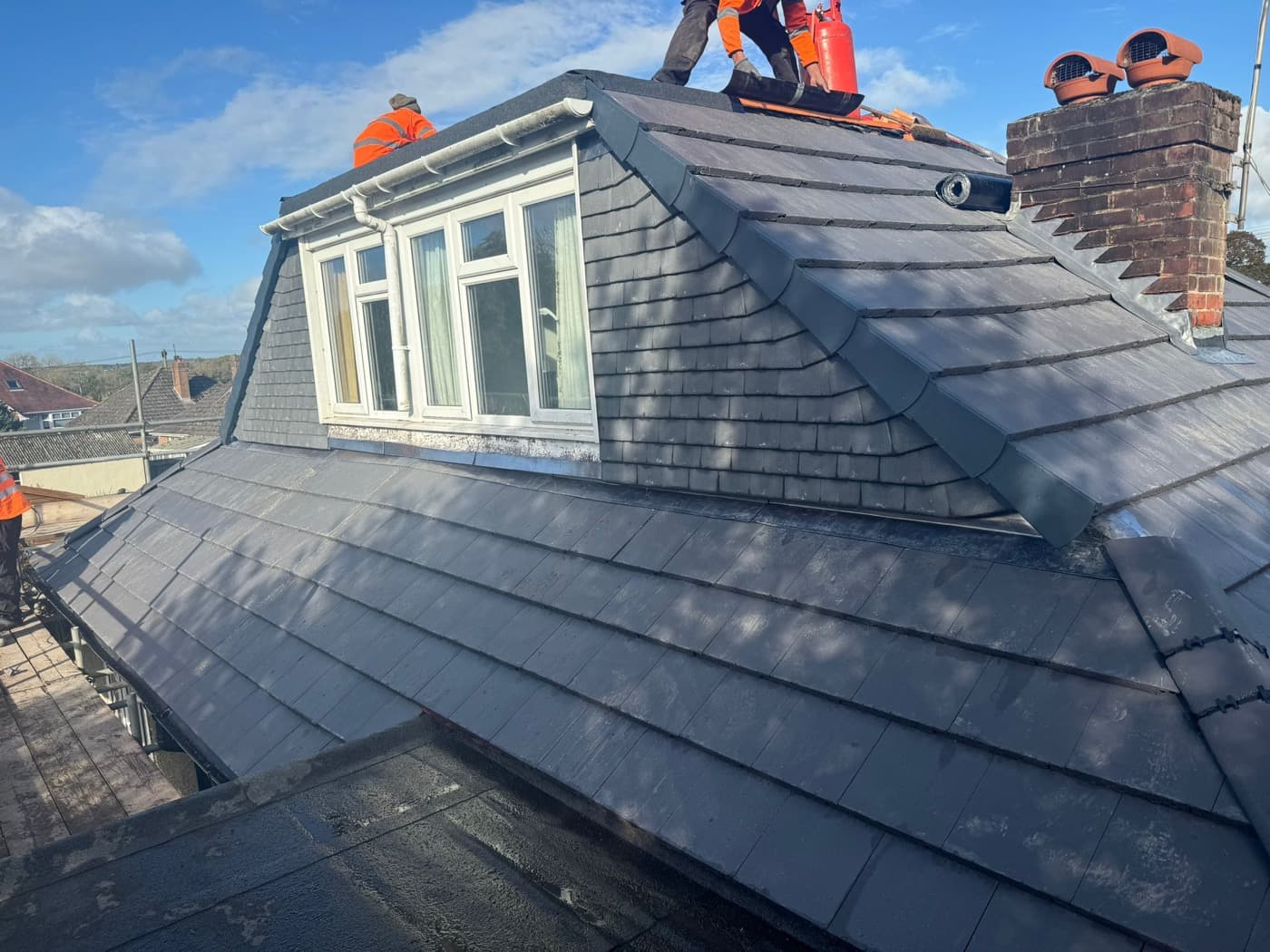
Felt remains one of the most common flat roof materials in the UK. Modern felt systems differ greatly from older versions and now offer improved performance.
Roofers install felt in layers that are bonded together to create a waterproof surface. High quality felt systems can last many years when installed correctly.
Felt roofing suits homeowners looking for a cost effective option with proven reliability. However, regular inspections remain important to catch early signs of wear.
EPDM rubber roofing
EPDM is a synthetic rubber membrane that has grown in popularity over recent years. It comes in large sheets, which reduces the number of joints and lowers the risk of leaks.
This material offers strong resistance to weathering and UV exposure. Because of its flexibility, it also copes well with temperature changes.
EPDM often appeals to homeowners who want a low maintenance flat roof solution with a long lifespan.
GRP fibreglass roofing
GRP roofing uses layers of fibreglass matting combined with resin to form a seamless waterproof surface. Once cured, it creates a rigid finish that resists water and impact damage.
Because GRP forms a single surface, it reduces the chance of water ingress through joints. However, installation requires precision and experience to avoid problems during curing.
GRP suits flat roofs where long term durability and a clean finish are priorities.
Single ply membrane roofing
Single ply membranes are commonly used on commercial buildings but also appear on residential properties. These systems use flexible sheets that are mechanically fixed or bonded to the roof.
Single ply materials offer strong waterproofing and quick installation. However, the quality of installation plays a major role in performance.
This option suits larger flat roof areas where speed and efficiency matter.
Asphalt roofing
Asphalt remains a durable option for flat roofs, particularly on older buildings. Roofers apply asphalt in layers, often reinforced with felt.
This material offers good waterproofing and longevity. However, installation involves hot materials and requires specialist handling.
Asphalt suits properties where durability matters more than installation speed.
Comparing lifespan and durability
When comparing common flat roof materials, lifespan often plays a key role.
Felt roofs typically last around twenty to thirty years with proper care. EPDM and GRP systems can last longer when installed correctly. Single ply membranes vary depending on quality and installation. Asphalt also offers long term performance but may require specialist maintenance.
Choosing the right option depends on budget, roof size, and long term expectations.
Maintenance considerations
All flat roofs require maintenance, regardless of material.
Regular inspections help identify small issues before they become leaks. Clearing debris and checking drainage outlets also reduces water buildup.
Professional roof repairs help extend the lifespan of flat roofs by addressing minor issues early.
Flat roof repairs and replacements
Over time, flat roof materials may need repair or replacement. Cracks, blistering, or persistent leaks often indicate underlying issues.
In some cases, repairs restore performance. However, widespread deterioration may make replacement the more cost effective option.
Professional assessments help determine whether repairs or a new installation offer better value.
Building regulations and compliance
Flat roofing work must meet current standards to ensure safety and performance. Significant work often needs to comply with GOV.UK Building Regulations, particularly when insulation or structure is involved.
In some cases, inspection through Local Authority Building Control may be required. Homeowners can also review guidance using the Planning Portal roofing permission guidance.
Safety and professional installation
Installing or repairing flat roofs involves working at height. Professional roofers follow guidance from the Health and Safety Executive, including the HSE Working at Height Guidance.
Attempting flat roof work without training can increase risk and lead to costly mistakes.
How we help homeowners choose the right flat roof
At Rated Roofers Ltd, we help homeowners choose flat roof materials that suit their property, budget, and long term plans. We assess roof structure, drainage, and exposure before recommending the most suitable option.
By focusing on proper installation and realistic advice, we help reduce future maintenance and avoid unnecessary repairs.
Choosing a reliable roofer
Flat roof performance depends heavily on workmanship. Poor installation causes most flat roof failures rather than material defects.
Homeowners can review feedback on trusted platforms such as Checkatrade to assess reliability and standards of work.
Choosing experienced roofers helps ensure flat roof materials perform as intended.
Conclusion
Understanding the common flat roof materials allows homeowners to make informed decisions about durability, maintenance, and cost. Each option offers different benefits, and the right choice depends on the property and long term goals.
If you are considering flat roofing work and want clear, honest advice, contact us today. Rated Roofers Ltd provides professional flat roofing services across West Sussex, helping homeowners choose solutions that last.
Need this doing
Flat Roofs
Felt, EPDM rubber and fibreglass laid to proper falls.