How long does a roof last in the UK?
5 min readBy Jacob Francis
On this page (11)
- 01Average roof lifespan in the UK
- 02Lifespan by roof type
- 03Factors that affect how long a roof lasts
- 04Signs a roof may be nearing the end of its life
- 05How maintenance extends roof lifespan
- 06When roof replacement becomes the better option
- 07Planning permission and roof lifespan
- 08Safety considerations during roof work
- 09Choosing the right roofing professional
- 10So how long does a roof last in the UK?
- 11Conclusion
One of the most common questions homeowners ask is how long does a roof last in the UK? The answer depends on several factors, including the type of roof, the materials used, how well it has been maintained, and the weather conditions it faces.
UK roofs are exposed to rain, wind, frost, and temperature changes throughout the year. Over time, this weather takes its toll. Understanding the expected lifespan of different roof types helps homeowners plan maintenance, spot problems early, and avoid unexpected repair costs.
Average roof lifespan in the UK
In general, most roofs in the UK last between twenty and sixty years. Some last much longer, while others need replacing sooner. The variation usually comes down to material choice and ongoing care.
Regular inspections and timely repairs often extend a roof’s life significantly. Ignoring small problems almost always shortens it.
Lifespan by roof type
Different roofing materials perform very differently over time.
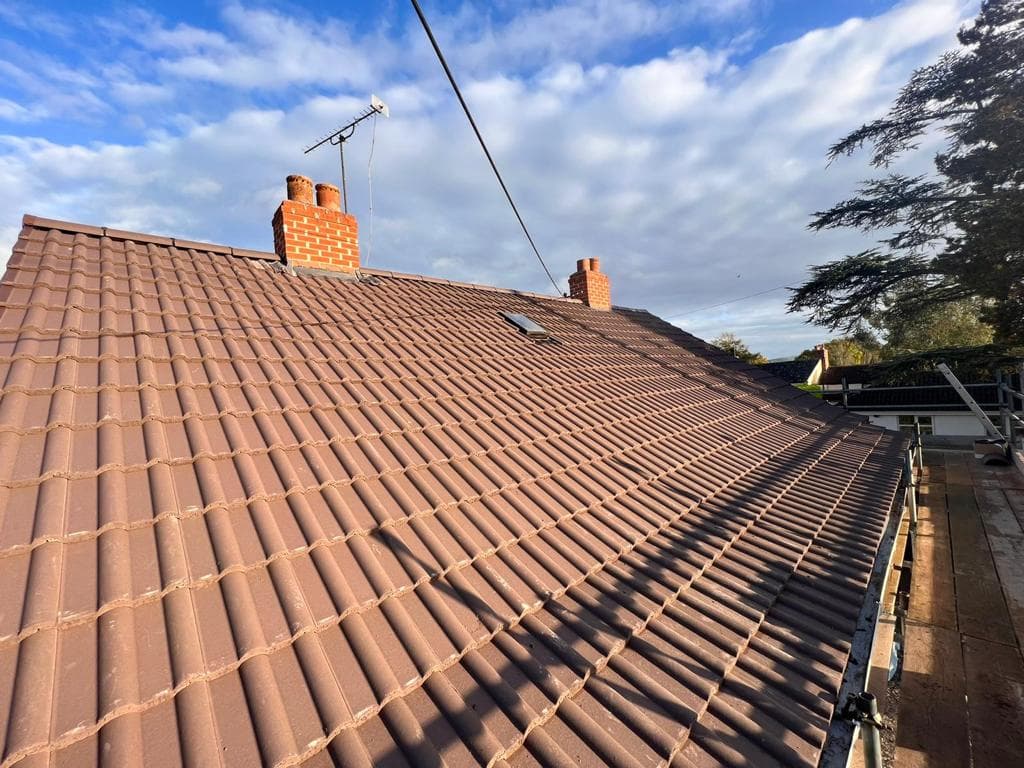
Tiled roofsConcrete and clay tiled roofs are very common across the UK. Concrete tiles usually last around forty to fifty years. Clay tiles can last sixty years or more when well maintained. Repairs to tiled roofs are usually straightforward, which helps extend their lifespan.
Slate roofsSlate is one of the longest lasting roofing materials. Natural slate roofs can last seventy to one hundred years in the right conditions. However, fixings and flashing may need attention long before the slate itself fails. Professional care for slate roofs is essential to avoid unnecessary damage.
Flat roofsOlder flat roofs often had shorter lifespans, sometimes as little as fifteen to twenty years. Modern materials such as GRP and EPDM perform much better. A well installed modern flat roof can last thirty to forty years with proper maintenance.
Roofline materialsWhile not part of the roof covering itself, roofline components such as soffits and fascias play an important role in roof health. Poor condition roofline parts allow water to enter and can shorten roof lifespan. UPVC soffits and fascias last much longer than older timber versions and reduce maintenance needs.
Factors that affect how long a roof lasts
Several factors influence roof lifespan beyond the material itself.
Weather exposureUK roofs face heavy rain, strong winds, frost, and occasional heatwaves. Coastal areas experience salt in the air, which can accelerate wear. Rural areas may see more moss growth due to shade and moisture.
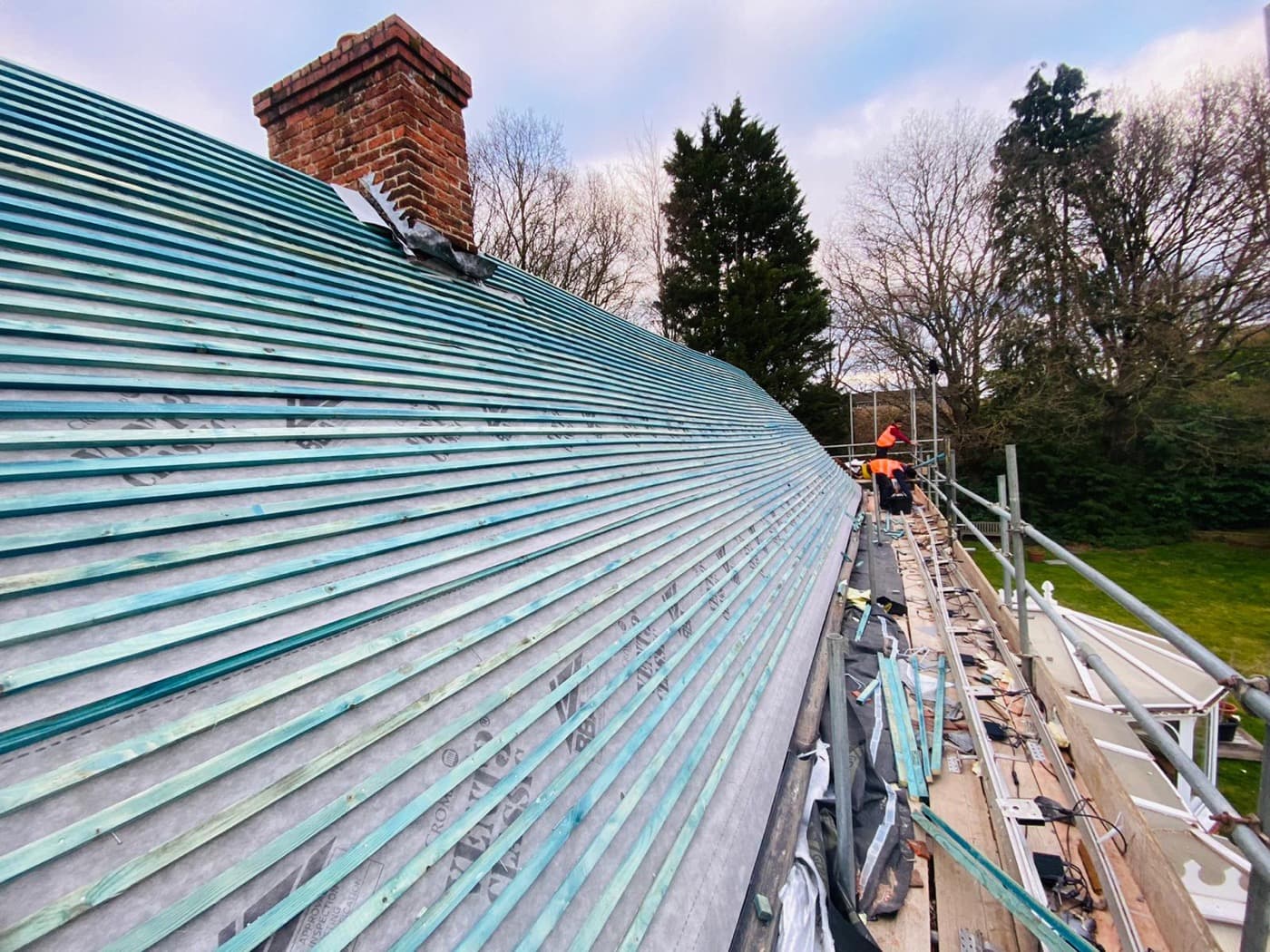
Installation qualityA roof fitted poorly will fail far sooner than one installed correctly. Incorrect tile spacing, poor fixing methods, or inadequate underlay all reduce lifespan.
MaintenanceRoofs that receive regular inspections and timely roof repairs almost always last longer than neglected ones.
Ventilation and insulationPoor ventilation causes condensation in the roof space, which can rot timbers and damage underlay. Up to date insulation and airflow help protect the structure and extend lifespan.
Signs a roof may be nearing the end of its life
Homeowners often notice warning signs before a roof fails completely. These include:
- Repeated leaks despite repairs
- Cracked, missing, or slipping tiles across large areas
- Sagging rooflines
- Damp patches on ceilings or walls
- Moss covering large sections of the roof
- Daylight visible in the loft
- Loose ridge tiles or failing mortar
If several of these signs appear together, replacement may be more cost effective than ongoing repairs.
How maintenance extends roof lifespan
Routine maintenance can add many years to a roof’s life. Simple actions include:
- Clearing gutters to prevent water backing up
- Removing moss before it traps moisture
- Checking tiles after storms
- Inspecting flashing around chimneys and valleys
- Addressing small repairs early
Professional moss removal is particularly useful in shaded or rural areas where growth is common.
When roof replacement becomes the better option
There comes a point where repairs are no longer practical. If large sections of the roof are failing, underlay has deteriorated, or the structure beneath has been affected, a full replacement may be required.
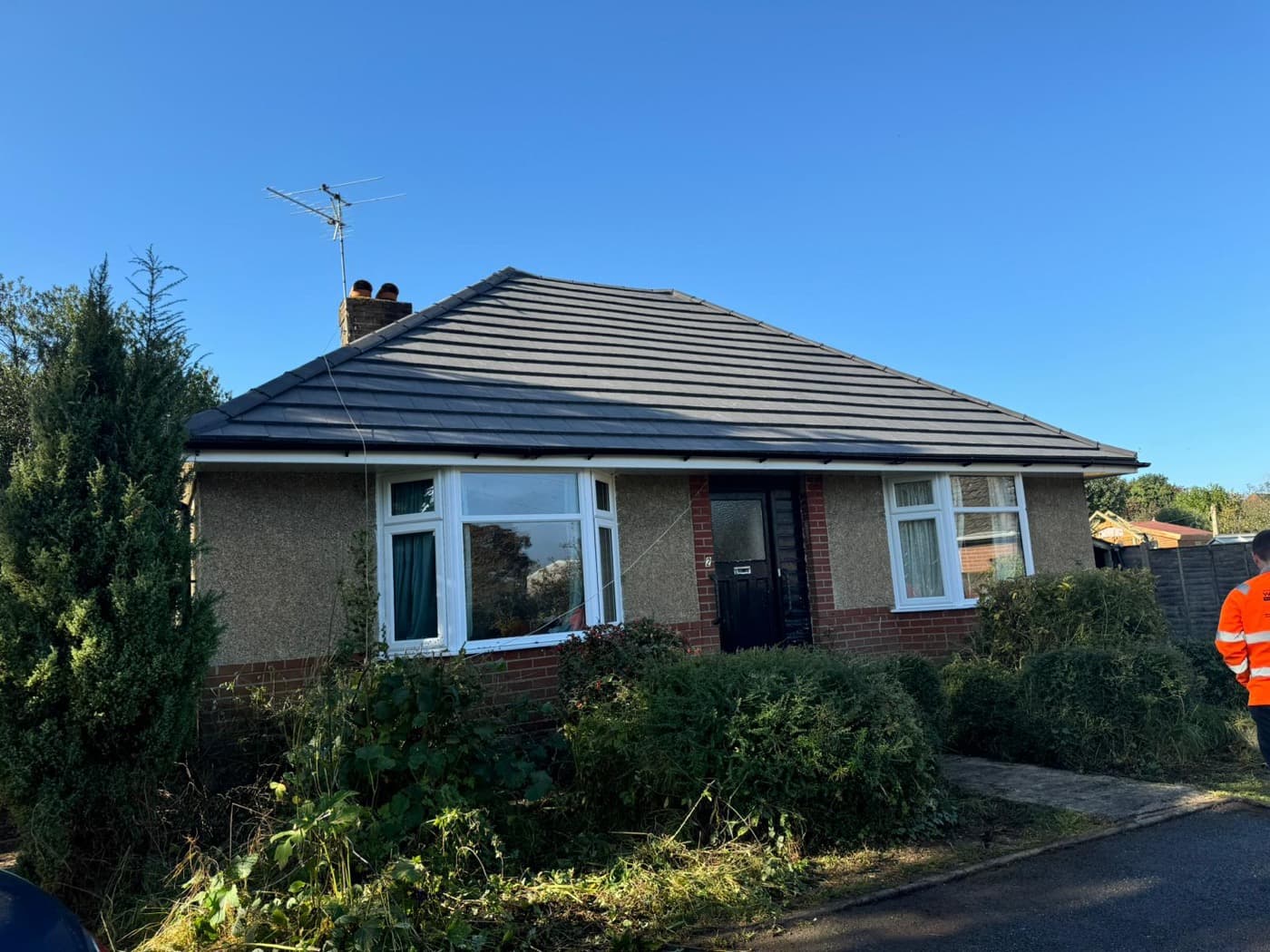
Installing new roofs provides a long term solution, improves insulation, and reduces the risk of future leaks.
Major roof replacements must comply with GOV.UK Building Regulations, particularly where insulation levels are improved. Structural work may also involve inspections through Local Authority Building Control.
Planning permission and roof lifespan
Most roof replacements do not require planning permission, provided the appearance and height remain unchanged. However, there are exceptions, especially for listed buildings or major alterations. Homeowners can check requirements using the Planning Portal roofing permission guidance.
Understanding these rules helps avoid delays or compliance issues.
Safety considerations during roof work
Roof inspections, repairs, and replacements all involve working at height. Professional roofers follow strict safety standards set out by the Health and Safety Executive, including guidance from the HSE Working at Height Guidance.
Using trained professionals reduces risk and ensures work is completed safely.
Choosing the right roofing professional
Roof lifespan is closely linked to who installs and maintains it. Before choosing a roofer, homeowners should look for:
- Clear written quotations
- Insurance cover
- Experience with the correct roof type
- Knowledge of local weather conditions
- Strong customer reviews
Platforms such as Checkatrade help homeowners assess reliability and workmanship.
Local specialists such as Rated Roofers Ltd provide inspections and advice based on real experience of UK roofing conditions.
So how long does a roof last in the UK?
In most cases, between twenty and sixty years, depending on material, maintenance, and environment. Slate roofs often last longest, while flat roofs rely heavily on modern materials and correct installation. Regular care and early repairs make a significant difference.
Conclusion
Understanding how long a roof lasts in the UK helps homeowners plan ahead, budget sensibly, and avoid unexpected problems. While no roof lasts forever, proper installation, regular maintenance, and timely repairs can extend lifespan by many years.
If you are unsure about the condition of your roof or want advice on repairs or replacement, contact us today. Rated Roofers Ltd provides professional inspections, repairs, and replacements across West Sussex, helping homeowners protect their properties and get the most from their roofs.