Is a leaning chimney stack dangerous?
6 min readBy Jacob Francis
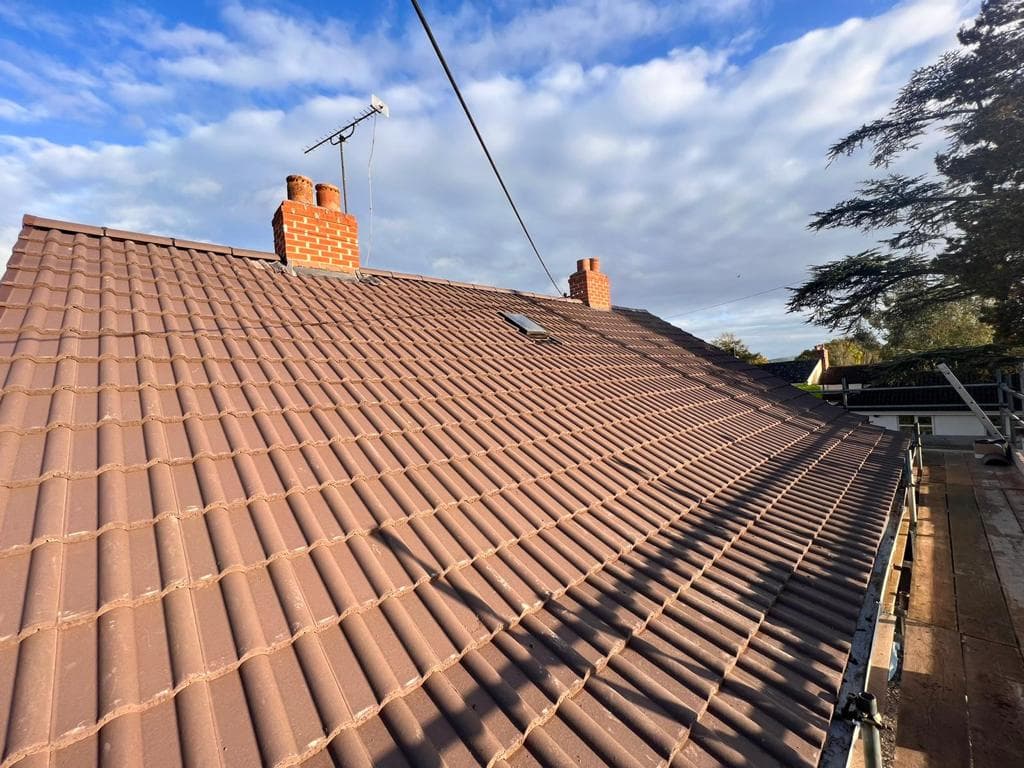
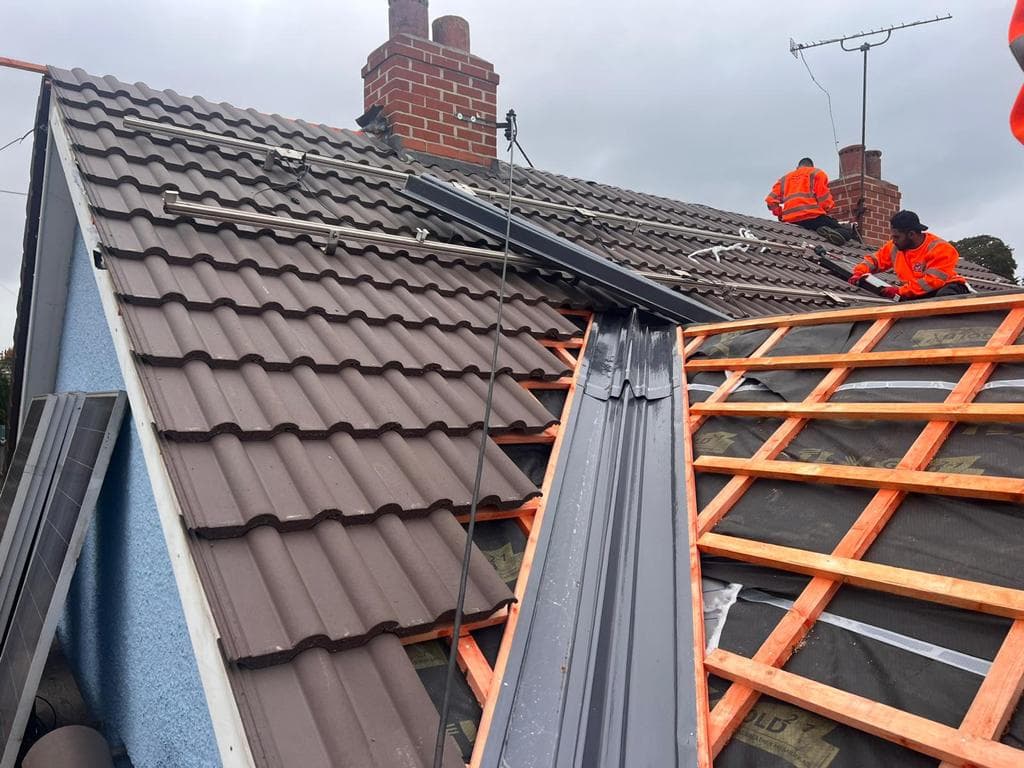
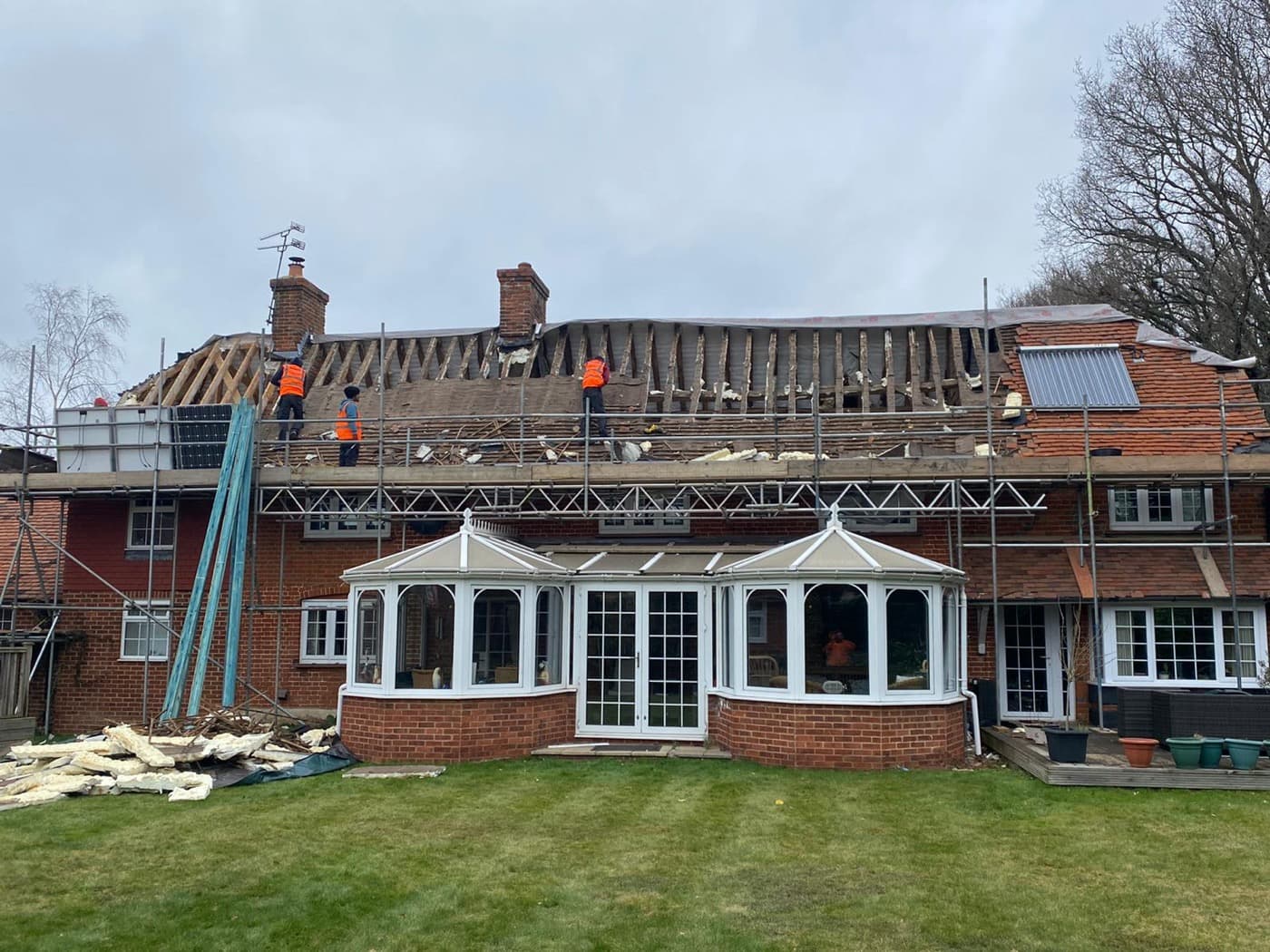
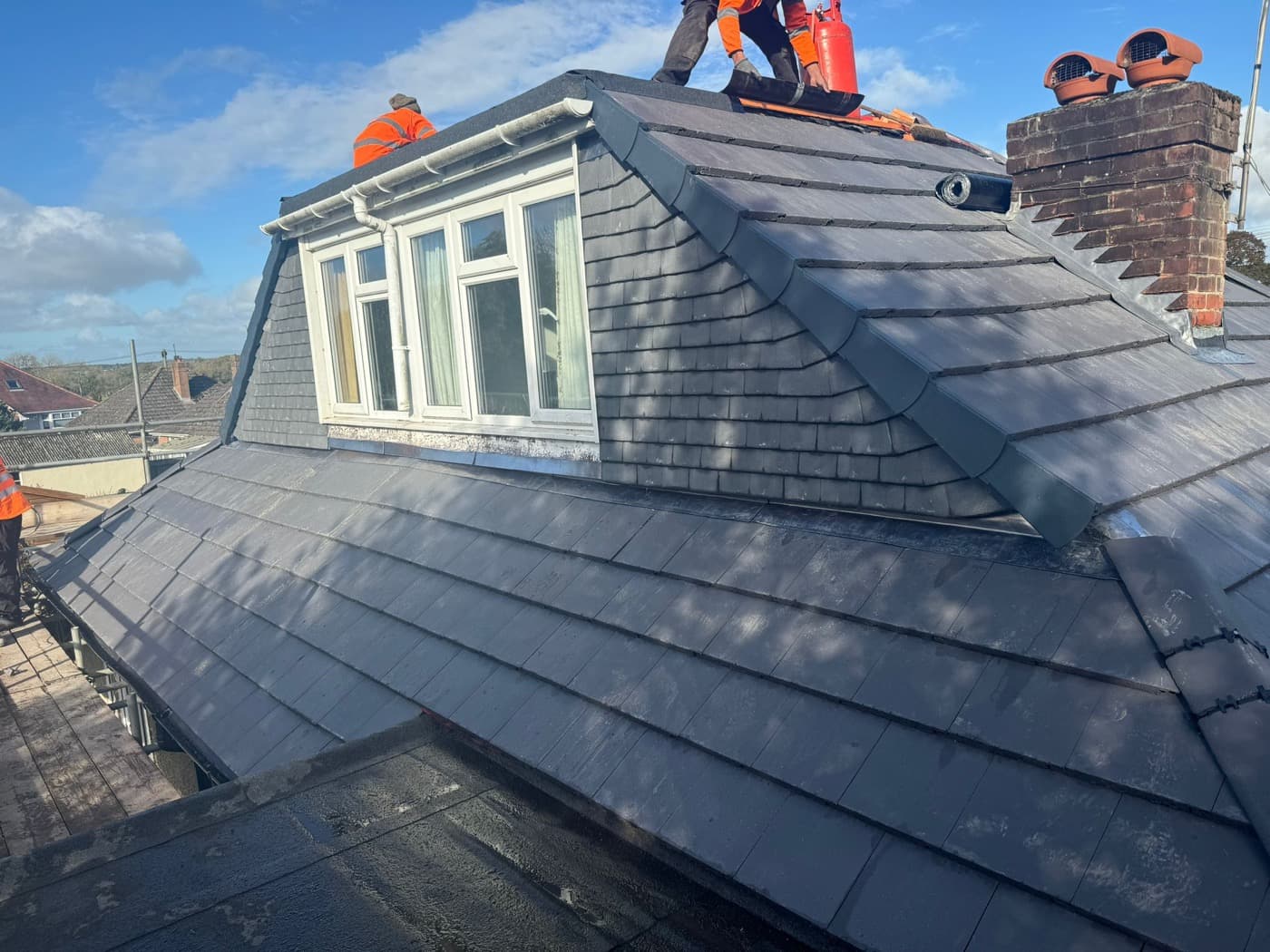
A leaning chimney stack can be dangerous, and it should always be looked at by a roofer or a structural engineer rather than left to see whether it gets worse. Not every lean means a stack is about to come down, and plenty of old chimneys have leaned slightly for years. But a stack that leans enough to see from the street, a lean that is getting worse, or a lean that comes with cracked joints, loose bricks or a tilting pot is a heavy piece of masonry sitting above your roof, and often above a path, a drive or a neighbour's garden.
How much lean is too much is not a settled number. The Building Conservation Directory quotes the BRE's Good Repair Guide as saying any chimney that leans more than 1mm in every 100mm is unsafe, while arguing that this is a little cautious for historic buildings. Either way it is a very small amount, about 15mm across a stack one and a half metres tall, so a lean you can pick out from the pavement is well past the point of guessing and needs a proper inspection, ideally before the winter gales.
Why chimney stacks lean
A chimney spends its life being attacked from two directions. From the outside it is the most exposed piece of masonry on the house, standing above the roofline in the wind and rain with nothing to shelter it. From the inside, a flue that has carried smoke and fumes for decades leaves deposits that work on the mortar and brick.
The Building Conservation Directory puts the main causes down to a combination of erosion, acid attack and salt crystallisation. As joints soften and bricks decay, the stack loses strength, and because that damage is rarely spread evenly around every face, the stack can begin to tilt.
Sussex weather does not help. On the coast at Arundel and along the Arun, salt laden wind and driving rain from the Channel work mortar loose and corrode older fixings. On the Downs at Lewes, an exposed position means wind driven rain erodes mortar faster than it would in a sheltered spot. The winter weather that affects a roof hits a chimney hardest of all.
The warning signs to look for
You can check most of this from the ground, with binoculars if you have them. Do not go up a ladder to look.
- A visible lean. Compare the stack against the roofline, the corner of the house or a neighbour's chimney. A stack that has started to look out of true usually is.
- Open or crumbling joints. Mortar that has eroded back from the face of the bricks, or gaps you can see daylight through. Joints that have been left for years are the reason repointing comes round on a cycle.
- Cracks. Especially a crack running through several courses of brick, or one that follows the line of the roof.
- Debris. Pieces of brick or mortar in the gutter, on the roof or on the ground below.
- The top of the stack. Cracked flaunching (the mortar bed the pots sit in), a pot that has tilted, or a cowl that has come loose.
- The base of the stack. Lead flashing that has lifted or split where the stack meets the roof, which often moves as the stack does.
- Inside the house. Damp patches on the chimney breast or in the loft around the stack, which can point to water getting in through failing masonry. Damp from roof problems often shows up here first.
If the chimney still serves a fire or a stove and smoke starts coming back into the room, HETAS advises stopping using the appliance and booking a sweep as soon as possible. For a gas appliance that uses the flue, a Gas Safe registered engineer is the right person to check it.
When a leaning chimney is an emergency
If bricks or pieces of pot are falling, or the lean has suddenly got worse after a storm, treat it as urgent. Keep people and cars away from anywhere the stack could fall, do not go onto the roof, and call a roofer.
Where a chimney could fall onto a pavement, a road or a neighbour's property, the council can step in. Under section 78 of the Building Act 1984, if a structure is dangerous and immediate action is needed, the council may take the steps needed to remove the danger, must give the owner and occupier notice first where it is reasonably practicable, and can recover its reasonable costs from the owner. Adur and Worthing Councils take reports of dangerous structures by phone or email in office hours and have an out of hours line for genuine emergencies, and every council in Sussex has the same powers. It is far better to have the stack made safe yourself than to wait for the council to do it and recover the cost from you.
If a storm brought the stack down or knocked it out of line, read up on how to claim for storm damage on your roof before anything is cleared away. A temporary roof repair may be needed to keep the weather out where the stack has damaged the roof around it.
What can be done about a leaning stack
The right repair depends on how far the stack leans, whether the lean is still moving, and what condition the brickwork is in. The Building Conservation Directory sets out the options in roughly this order.
- Stabilise and monitor. Where a lean is slight and the stack is otherwise sound, the causes are dealt with rather than the stack being taken down. Decayed bricks are cut out and replaced, the joints are repointed, and lining the flue is recommended. The stack is then checked periodically to make sure the lean has stopped.
- Rebuild from a sound point. Where the lean is too great or the masonry has failed, the last resort is taking the stack down to a point where it is sound and rebuilding it, using as much of the salvaged material as possible.
- Choose the right mortar. On older buildings the mortar should suit the bricks. Where cement has to be added, the article recommends sulphate resisting cement.
Whichever it is, the flashing and the roof covering around the stack are usually disturbed, so expect them to be part of the job. Our chimney repairs cover everything from cracks and leaks to a full restoration of the stack. If there is any doubt about whether a stack is structurally safe, a structural engineer is the right person to say so, and a good roofer will tell you when that is the case.
This is also where it pays not to spend more than you need to. A slight, long standing lean on a stack with sound joints may need nothing more than repointing and a watchful eye, and you should be wary of anyone who goes straight to rebuilding without explaining why. Equally, if the chimney is no longer used, taking the stack down can be cheaper than rebuilding it, though on an older house the chimney is often part of its character and that decision deserves some thought.
Listed buildings and conservation areas
On a listed building even like for like repointing can need listed building consent, and dismantling or rebuilding a stack is a change the council's conservation officer will want to know about first. Inside a conservation area, the rules for altering or removing a chimney can also be tighter than elsewhere. The wider rules on planning permission for roof work apply, and older homes bring their own set of common roofing problems that a chimney repair often uncovers.
Getting a leaning chimney checked
A leaning chimney stack is not always about to fall, but it is never something to leave and hope for the best. A small lean on a sound stack can often be stabilised for modest cost. A lean that is growing, or one that comes with cracks and loose bricks, needs dealing with before the next big storm does it for you. Checking the stack is part of any regular roof inspection, and autumn is the time to do it.
If you are worried about a chimney anywhere in the areas we cover, contact us and we can come and inspect it and tell you what it needs. Rated Roofers has over 25 years in the roofing industry and runs a 24 hour emergency call out if a stack has become dangerous, and you can also ask for a free quote.
Need this doing
Chimney Repairs
Repointing, flaunching, lead flashing and full rebuilds.