


19 June 2026
How storms damage roofs and what to check after
So, How do storms damage roofs and what to check after
Storms can cause serious problems for residential roofs across the UK. Strong winds, heavy rain, and flying debris place sudden pressure on roofing materials. Understanding how storms damage roofs helps homeowners identify problems early and arrange repairs before further damage develops.
Why storms are particularly damaging to roofs
Storms combine several weather conditions that affect roofs at the same time. High winds can lift tiles, while heavy rainfall forces water into small gaps. At the same time, falling branches or debris may strike the roof surface.
Because roofs sit at the highest point of the property, they absorb the full force of severe weather. As a result, even well maintained roofs may suffer damage during strong storms.
Wind damage to roof tiles
High winds are one of the main ways storms damage roofs. When wind travels across the roof surface, it creates pressure that can lift tiles or slates. If fixings or mortar have weakened with age, tiles may shift or fall completely.
Even a single missing tile can allow rainwater to enter the roof space. Therefore, homeowners should check for slipped tiles or debris around the property after storms.
Repairs to tiled roofs restore the protective layer and prevent water entering beneath the roof covering.
Damage to slate roofing
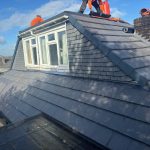
Slate roofs are durable, but storms can still dislodge individual slates. When strong gusts lift one slate, surrounding slates may also become unstable.
Professional repairs to slate roofs ensure damaged slates are replaced without disturbing the surrounding roof structure. Early repair prevents further movement across the roof surface.
Ridge tile movement
Ridge tiles sit along the highest point of the roof and receive direct exposure to wind. Over time, ridge mortar weakens and storms can loosen these tiles.
Loose ridge tiles present a safety risk and also allow water penetration beneath the roof covering. Checking the ridge line after a storm helps identify early signs of mortar failure.
Chimney and flashing damage
Storms can also damage chimneys and flashing. Strong winds may shift flashing around chimney bases, allowing water to seep through roof joints.
Professional chimney repairs restore flashing and secure weakened masonry. Addressing these issues quickly prevents water from entering the roof structure.
Flat roof storm damage
Flat roofs often experience different types of storm related damage. Heavy rainfall can overwhelm drainage systems and lead to standing water.
If debris blocks outlets, water may remain on the roof surface for extended periods. Repairs to flat roofs restore waterproofing and ensure drainage systems function properly.
Inspecting flat roofs after storms helps prevent hidden leaks developing later.
Moss and debris after storms
Storms often leave debris such as branches and leaves on the roof. In addition, moss that was already present may trap water following heavy rainfall.
Removing debris and arranging professional moss removal helps restore proper drainage and prevents moisture from sitting against tiles.
This simple maintenance step reduces the risk of long term deterioration.
Gutters and roofline components
Storm conditions frequently cause gutter blockages or damage to roofline components. When gutters overflow, water may run down exterior walls or back onto the roof surface.
Maintaining UPVC soffits and fascias ensures the roof edge remains protected and drainage systems continue working efficiently.
Checking gutters for debris after storms prevents further water related damage.
What to check after a storm
After severe weather, homeowners should look for several warning signs:
-
Missing or slipped roof tiles
-
Debris on the roof surface
-
Loose ridge tiles
-
Water stains on ceilings
-
Damaged flashing near chimneys
-
Overflowing gutters
Although some issues may be visible from ground level, others require professional inspection.
When to arrange professional roof repairs
If you suspect storm damage, arranging professional roof repairs ensures the issue is diagnosed accurately. Roofers assess both visible damage and hidden problems beneath the roof covering.
By addressing storm damage quickly, homeowners reduce the likelihood of further leaks or structural deterioration.
Compliance and safety considerations
Roofing work must meet recognised building standards. Structural repairs or major alterations should comply with GOV.UK Building Regulations. In some situations, inspection through Local Authority Building Control may apply.
Homeowners can also review planning requirements using the Planning Portal roofing permission guidance.
Because roofing involves working at height, professionals follow guidance from the Health and Safety Executive, including the HSE Working at Height Guidance.
Choosing reliable roofers after storm damage
When storms damage roofs, choosing experienced roofers ensures repairs are completed properly. Homeowners should look for clear quotations, proof of insurance, and strong customer reviews.
Reading verified feedback on platforms such as Checkatrade can help assess reliability and workmanship.
At Rated Roofers Ltd, we inspect roofs carefully after storms and provide practical repair solutions designed to restore full protection.
Preventing future storm damage
Although storms cannot be avoided, regular maintenance reduces their impact. Homeowners can protect their roofs by:
-
Scheduling routine inspections
-
Replacing damaged tiles promptly
-
Clearing gutters regularly
-
Removing moss buildup
-
Checking ridge mortar and flashing
Taking these preventative steps strengthens the roof before severe weather arrives.
Conclusion
Understanding how storms damage roofs helps homeowners respond quickly after severe weather. High winds, heavy rain, and debris can loosen tiles, damage flashing, and strain flat roofs. However, early inspection and prompt repairs prevent these issues from escalating.
If your roof may have been affected by recent storms, contact us today. We provide professional roofing inspections and repairs across West Sussex, helping homeowners restore their roofs safely and efficiently.

Comment (0)