What are Felt Roofs and How Long do They Last?
5 min readBy Jacob Francis
On this page (14)
- 01So, What are felt roofs and how long do they last?
- 02What are felt roofs?
- 03Where felt roofs are commonly used
- 04How long do felt roofs last?
- 05What affects the lifespan of felt roofs?
- 06Common problems with felt roofs
- 07How felt compares to other flat roof materials
- 08Maintenance tips for felt roofs
- 09When should felt roofs be replaced?
- 10Building regulations and compliance
- 11Safety considerations
- 12Choosing the right roofer for felt roofing
- 13Are felt roofs still a good option?
- 14Conclusion
So, What are felt roofs and how long do they last?
Felt roofs are one of the most common flat roofing systems used across the UK. You will often find them on garages, extensions, porches, and outbuildings. Although some people associate felt with older roofing systems, modern felt roofs are far more durable and reliable than many expect.
Understanding how felt roofs work and how long they last helps homeowners decide whether this material suits their property and long term plans.
What are felt roofs?
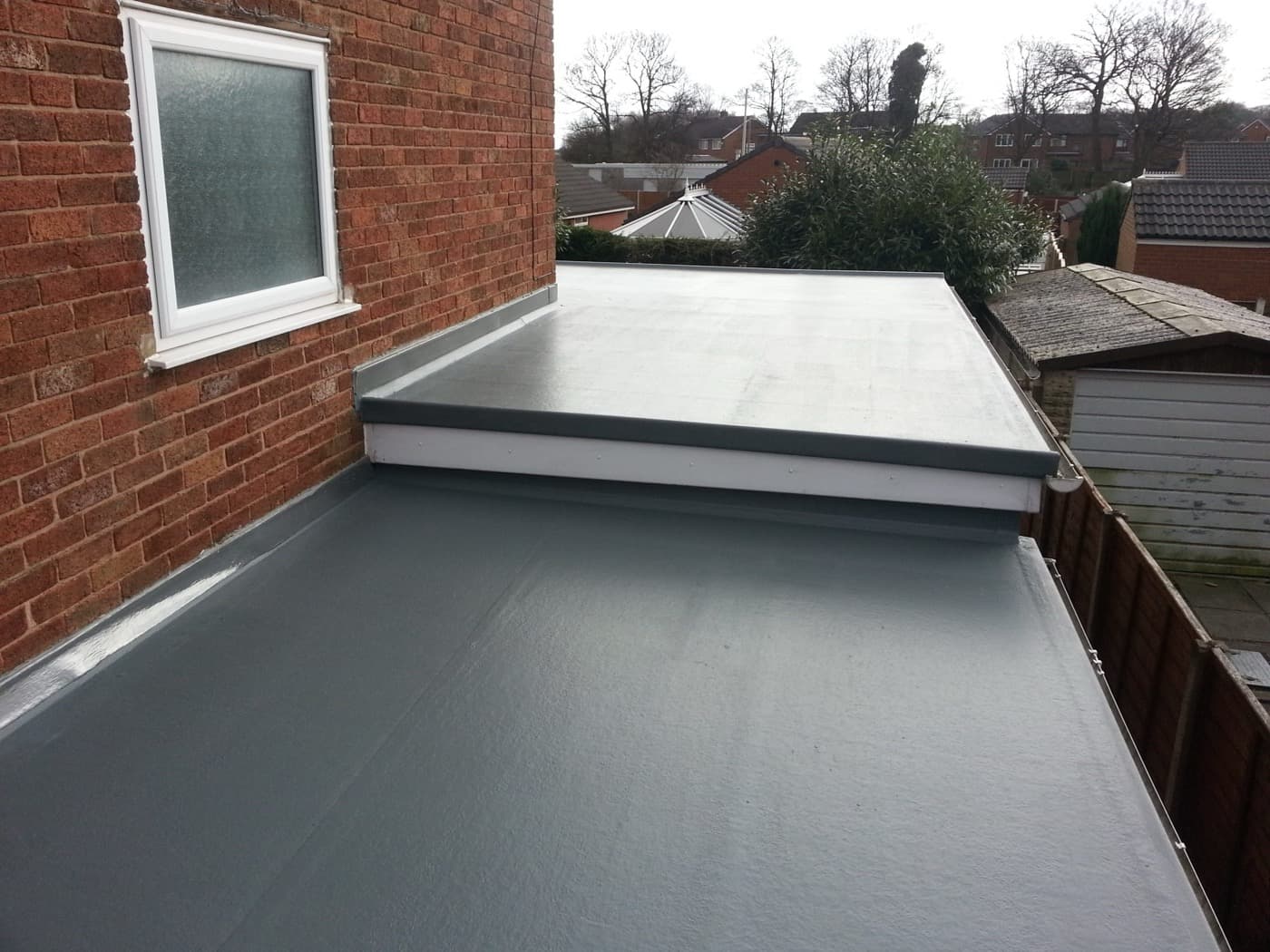
Felt roofs use layers of bitumen based material reinforced with fibres. Roofers apply these layers in sections and bond them together using heat or adhesive. Once installed, the layers form a waterproof barrier that protects the structure below.
Modern felt systems usually consist of a base layer, a reinforcing layer, and a protective top layer. The top layer often includes a mineral finish, which helps protect the surface from UV exposure and weathering.
Because roofers install felt in overlapping sections, the finished surface creates a continuous waterproof covering when fitted correctly.
Where felt roofs are commonly used
Felt roofs are most commonly used on flat or low pitched roofs. They are particularly popular on:
- Garage roofs
- Garden buildings
- Home extensions
- Dormers
- Small commercial units
In many cases, felt offers a cost effective solution for areas that do not require traditional tile or slate roofing.
How long do felt roofs last?
The lifespan of felt roofs depends on several factors, including installation quality, exposure to weather, and maintenance.
Older felt systems sometimes lasted only ten to fifteen years. However, modern high performance felt roofs can last between twenty and thirty years when installed properly and maintained well.
In some cases, lifespan extends beyond this range if the roof receives regular inspections and timely repairs.
What affects the lifespan of felt roofs?
Several key factors influence how long felt roofs last.
Installation qualityProfessional installation makes a significant difference. If roofers install layers correctly and ensure proper sealing at joints and edges, the roof will perform much better over time.
DrainageFlat roofs must allow water to drain effectively. If water pools for long periods, it places extra strain on the surface and shortens lifespan.
Weather exposureRoofs exposed to strong sun, heavy rainfall, or frequent freeze and thaw cycles may experience faster wear.
MaintenanceRegular inspections help identify small cracks or lifting sections before they become major leaks.
Common problems with felt roofs
Although modern felt performs well, certain issues can develop over time.
Cracking can occur if the surface becomes brittle due to age. Blistering may appear if moisture becomes trapped between layers. Lifting at edges or joints can also occur if bonding weakens.
However, when homeowners address these problems early through professional roof repairs, they can often extend the life of the roof significantly.
How felt compares to other flat roof materials
When considering flat roofing options, homeowners often compare felt to materials such as EPDM rubber or GRP fibreglass.
Felt generally costs less than many alternatives, which makes it attractive for smaller projects. While some other systems may offer longer lifespans, felt provides strong performance when installed properly.
The best choice depends on budget, roof size, and long term expectations.
Maintenance tips for felt roofs
Regular maintenance helps felt roofs last longer.
Homeowners should inspect the roof at least once a year and after severe weather. Clearing leaves and debris prevents water pooling. Checking drainage outlets ensures water flows away efficiently.
In addition, managing moss growth and keeping surrounding roofline components in good condition reduces strain on the roof surface.
Maintaining UPVC soffits and fascias supports proper drainage and helps protect the edges of flat roofs.
When should felt roofs be replaced?
Felt roofs may need replacement when repairs become frequent or when large sections deteriorate.
If cracking, lifting, or persistent leaks appear across wide areas, patch repairs may no longer offer good value. At that stage, installing a new system may provide better long term performance.
Professional inspection helps determine whether repair or replacement is the most sensible option.
Building regulations and compliance
Significant roofing work must meet current standards. When replacing felt roofs, insulation upgrades may be required to comply with GOV.UK Building Regulations.
In some cases, inspection through Local Authority Building Control may apply. Homeowners can also review requirements using the Planning Portal roofing permission guidance.
Ensuring compliance protects both the property and future resale value.
Safety considerations
Working on felt roofs involves working at height. Professional roofers follow guidance from the Health and Safety Executive, including the HSE Working at Height Guidance.
Attempting repairs without proper training increases the risk of injury and can cause further damage to the roof.
Choosing the right roofer for felt roofing
The performance of felt roofs depends heavily on installation quality. Poor bonding or rushed work often causes premature failure.
Homeowners should choose experienced roofers who understand flat roofing systems and drainage requirements. Reading verified reviews provides reassurance about reliability and workmanship.
Platforms such as Checkatrade allow homeowners to assess roofing companies based on real customer feedback.
At Rated Roofers Ltd, we assess each property carefully before recommending a felt roofing solution. We focus on proper preparation, correct installation, and practical advice so homeowners receive long lasting results.
Are felt roofs still a good option?
Yes, felt roofs remain a reliable and cost effective choice for many properties. While they may not always match the lifespan of premium systems, they offer solid performance when installed correctly.
For garages, extensions, and smaller flat roofs, felt often provides the right balance between cost and durability.
Conclusion
Felt roofs are layered waterproof systems commonly used on flat and low pitched roofs. Modern felt systems can last twenty to thirty years when installed properly and maintained well. However, lifespan depends on installation quality, drainage, and ongoing care.
If you are considering a felt roof or want advice about an existing flat roof, contact us today. At Rated Roofers Ltd, we provide professional flat roofing services across West Sussex, helping homeowners choose solutions that offer lasting protection and value.