What are the Different Types of Roofs?
5 min readBy Jacob Francis
On this page (14)
- 01So, What are the different types of roofs?
- 02Pitched Roofs
- 03Flat Roofs
- 04Mono-Pitched Roofs
- 05Mansard Roofs
- 06Dormer Roofs
- 07Butterfly Roofs
- 08Green Roofs
- 09Combination Roofs
- 10Roof Materials and Their Benefits
- 11Choosing the Right Roof Type
- 12Roof Maintenance and Longevity
- 13The Importance of Using a Professional Roofer
- 14Conclusion
So, What are the different types of roofs?
Roofs come in many designs, each suited to different building styles, materials, and weather conditions. For homeowners considering a new roof or repair work, understanding the different types of roofs can make it easier to choose the right option. Each type offers its own benefits in terms of cost, maintenance, and appearance.
This guide explains the most common roof types used in the UK, their advantages, and what to consider when maintaining or replacing them.
Pitched Roofs
Pitched roofs are the most common style in Britain. Their sloping design allows rainwater to run off easily, which helps prevent leaks and standing water.
There are two main forms:
1. Gable RoofsThese have two sloping sides that meet at a ridge, forming a triangular shape. Gable roofs are simple, cost-effective, and provide good ventilation in the loft space. They are a popular choice for residential properties.
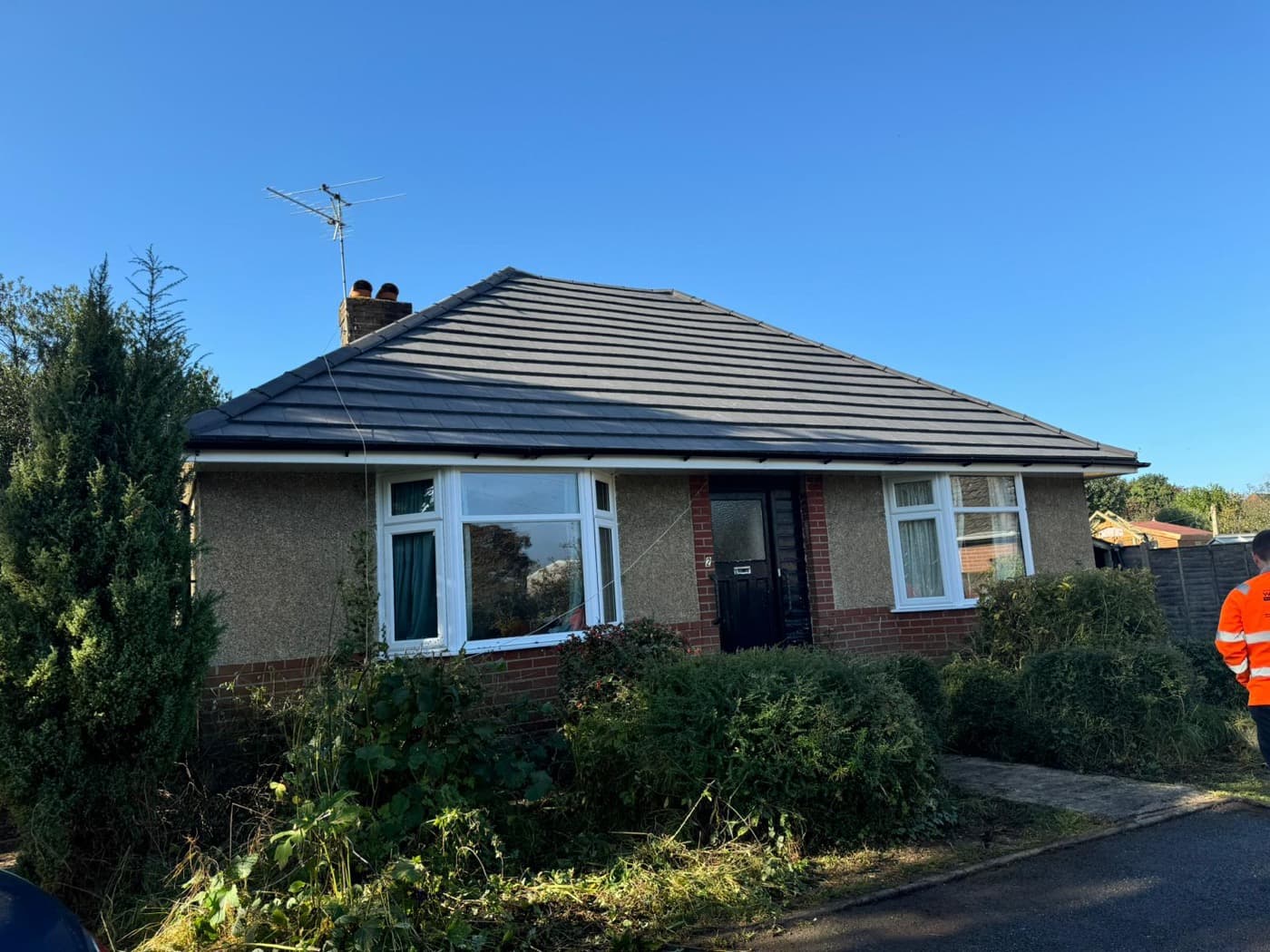
2. Hip RoofsA hipped roof has four sloping sides that meet at the top. This design offers strong wind resistance, making it suitable for exposed areas such as coastal regions.
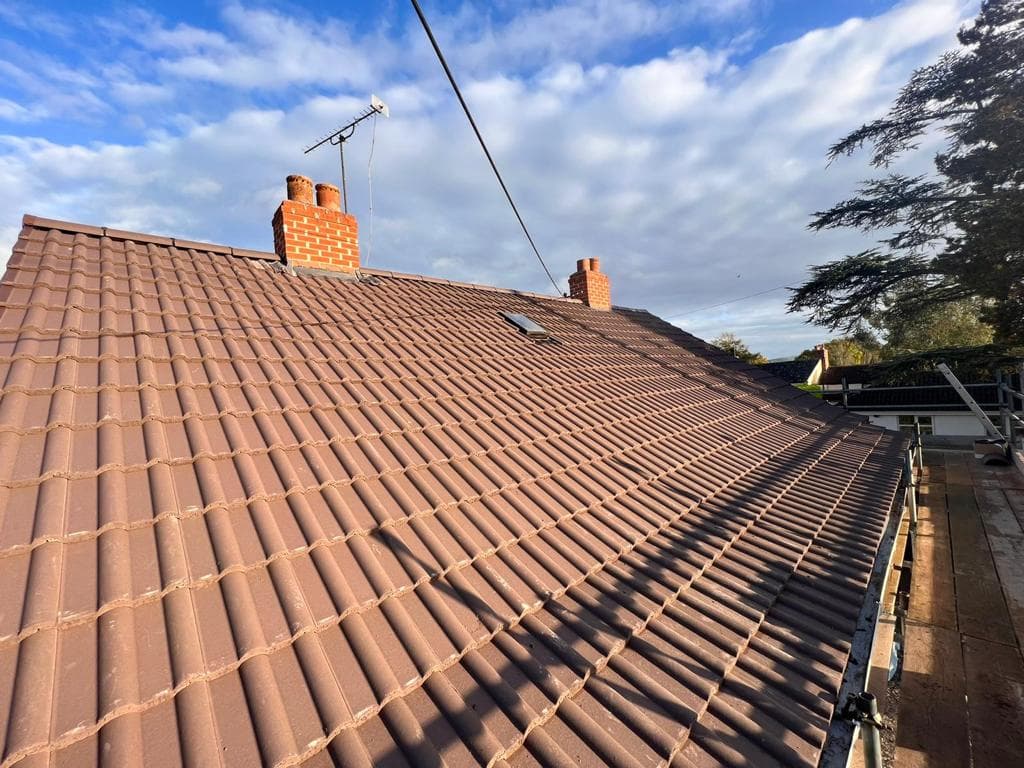
Both styles work well with traditional materials such as tiled roofs and slate roofs, which are known for their durability and attractive appearance.
Flat Roofs
Flat roofs are common on extensions, garages, and commercial buildings. Despite the name, they are slightly sloped to allow water drainage.
Modern flat roofs are constructed from advanced materials such as GRP fibreglass, EPDM rubber, or torch-on felt. These offer strong waterproofing and a long lifespan when properly maintained.
Flat roofs are often more affordable to install than pitched alternatives, and their simple design allows for easy access during maintenance or repair work.
Mono-Pitched Roofs
A mono-pitched roof, sometimes known as a shed roof, has a single sloping surface. It is commonly used for home extensions and modern architectural designs.
The simplicity of a mono-pitched roof makes it efficient for water runoff, and it can be built with the same materials as a traditional roof. However, because one wall is higher than the other, it requires careful design to ensure proper structural balance.
Mansard Roofs
The mansard roof, originally developed in France, has two slopes on each of its four sides. The lower slopes are steeper, allowing extra living space in the upper storey of a property.
Mansard roofs are popular for loft conversions and provide excellent insulation and headroom. They tend to be more complex and expensive to construct, but they add considerable character and usable space to a property.
Dormer Roofs
A dormer is not a roof type itself, but a structure built into an existing roof to create extra space and natural light. Dormer roofs are often seen on homes with loft conversions or upper-floor bedrooms.
They blend well with both tile and slate materials and can be built in various shapes, including flat-top, gable, or hipped dormers.
Butterfly Roofs
A butterfly roof features two slopes that meet in the middle, forming a V-shape. This design is modern and allows rainwater to collect at the centre for reuse through drainage systems.
Butterfly roofs are rarely seen in traditional British homes but are popular in contemporary architecture. They provide good light entry through tall windows but require precise waterproofing to prevent pooling.
Green Roofs
Green or living roofs are increasingly used in eco-friendly building design. They involve a waterproof base covered with vegetation, soil, and drainage layers.
This type of roof improves insulation, reduces rainwater runoff, and supports biodiversity. Green roofs require specific structural support, so professional installation is important. They are more common in urban developments and modern commercial buildings.
Combination Roofs
Some properties use a mixture of roof types to achieve a specific look or function. For example, a home may combine a gable roof with a flat extension.
Combination roofs are versatile and can enhance the property’s architectural design, though they require careful planning to ensure proper drainage and consistency in materials.
Roof Materials and Their Benefits
The type of roof structure often determines which materials are most suitable. Below are the most common materials used in British homes:
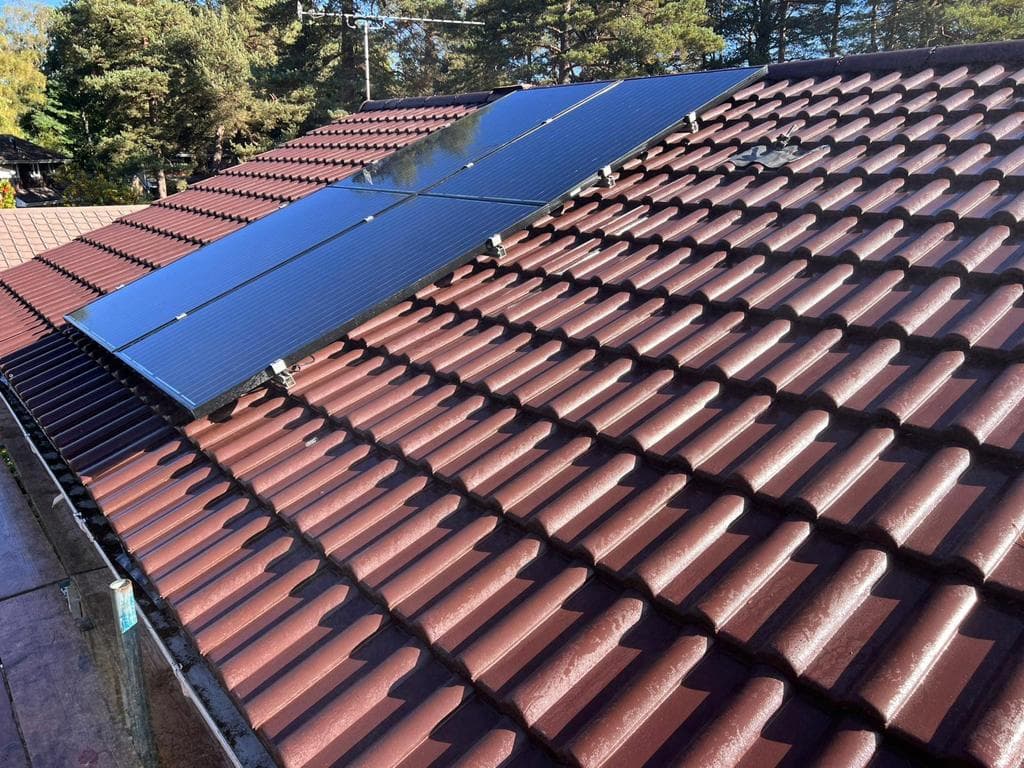
Tiles: Clay and concrete tiles are durable, fire-resistant, and available in many colours. They work well for pitched and gable roofs.
Slate: Natural slate offers a timeless look and can last over a century. It is ideal for traditional and period homes.
Fibreglass and EPDM: Common in flat roofs, these materials provide seamless waterproof protection and resist cracking.
Lead or Zinc: Often used on heritage properties or architectural features, metals are durable and recyclable.
UPVC Roofline Components: Modern UPVC soffits and fascias protect roof edges from moisture and rot while improving appearance.
Choosing the Right Roof Type
When deciding which roof type is best for your property, consider:
- Climate: Areas with heavy rain or snow benefit from steep pitches that shed water quickly.
- Property style: The roof should complement the architecture of your home.
- Budget: Some materials cost more initially but last much longer.
- Maintenance: Flat roofs may need more frequent inspection, while tiled or slate roofs are generally lower maintenance.
An experienced roofer can assess your property and recommend the best option based on design, performance, and local conditions.
Roof Maintenance and Longevity
No matter the roof type, regular maintenance extends its lifespan. Tasks such as cleaning gutters, inspecting for cracks, and removing moss help prevent damage.
Professional moss removal keeps surfaces clear and prevents moisture from being trapped between tiles. Checking for leaks, loose tiles, and damaged flashing after storms also helps maintain performance.
If you notice persistent leaks, sagging, or discolouration, a qualified roofer can carry out necessary repairs or advise on replacement.
The Importance of Using a Professional Roofer
Whether you are repairing a roof or considering a full replacement, hiring a qualified professional is essential. Experienced roofers understand local building regulations, use the correct safety equipment, and deliver long-lasting workmanship.
Before hiring, always check credentials, insurance, and reviews. Websites such as Checkatrade make it easier to confirm a roofer’s reliability.
Companies such as Rated Roofers Ltd provide expert roofing services across Sussex, offering dependable results tailored to each property’s needs.
Conclusion
There are many different types of roofs, each with unique benefits and design considerations. Whether your property has a traditional gable roof or a modern flat design, proper installation and maintenance are key to longevity and performance.
For trusted advice, inspections, or repairs, contact us to speak with our friendly team. Rated Roofers Ltd provides reliable, professional roofing solutions across Sussex, ensuring every roof is safe, efficient, and built to last.