EPDM vs GRP, which flat roof is better?
6 min readBy Jacob Francis
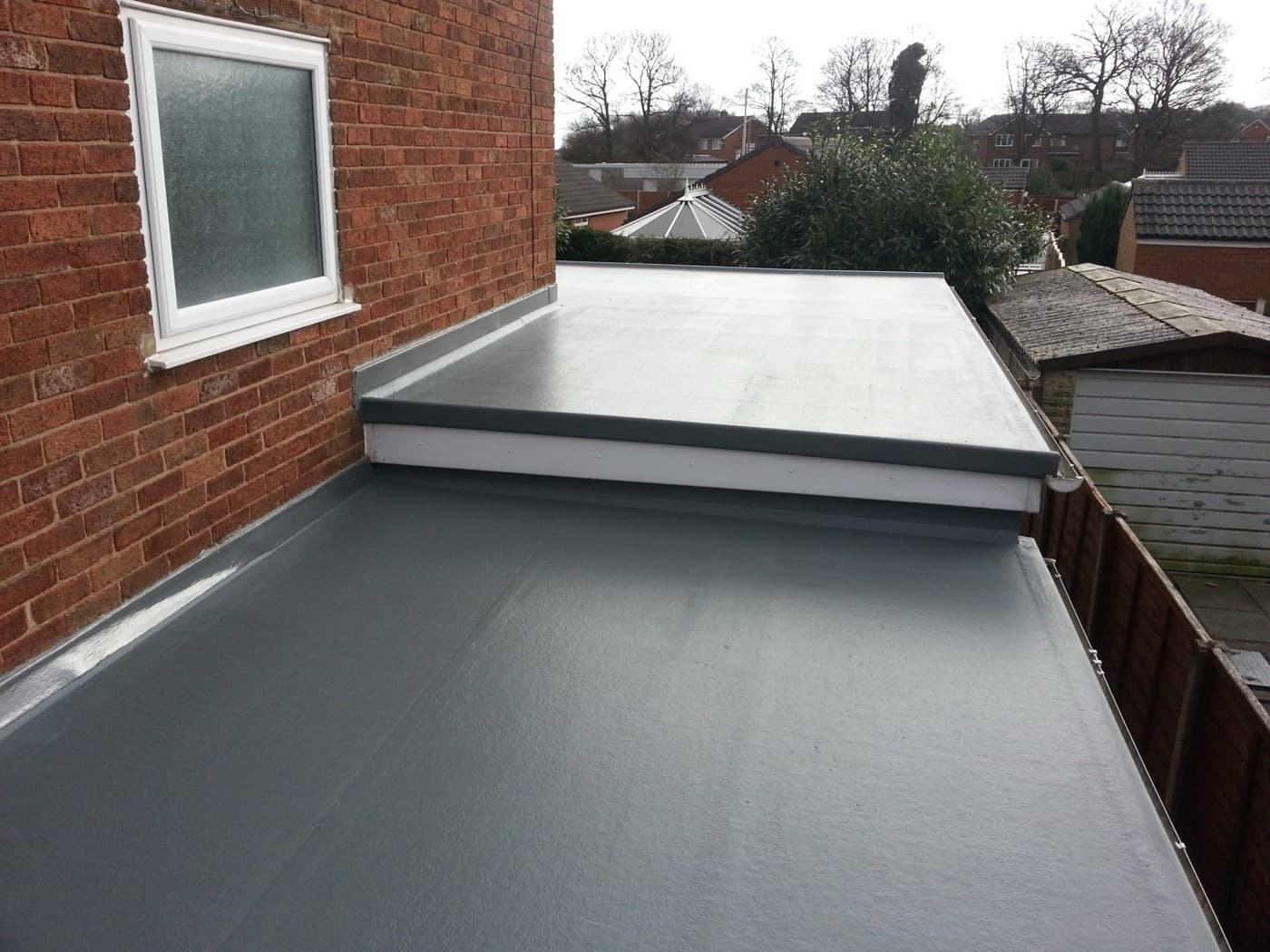
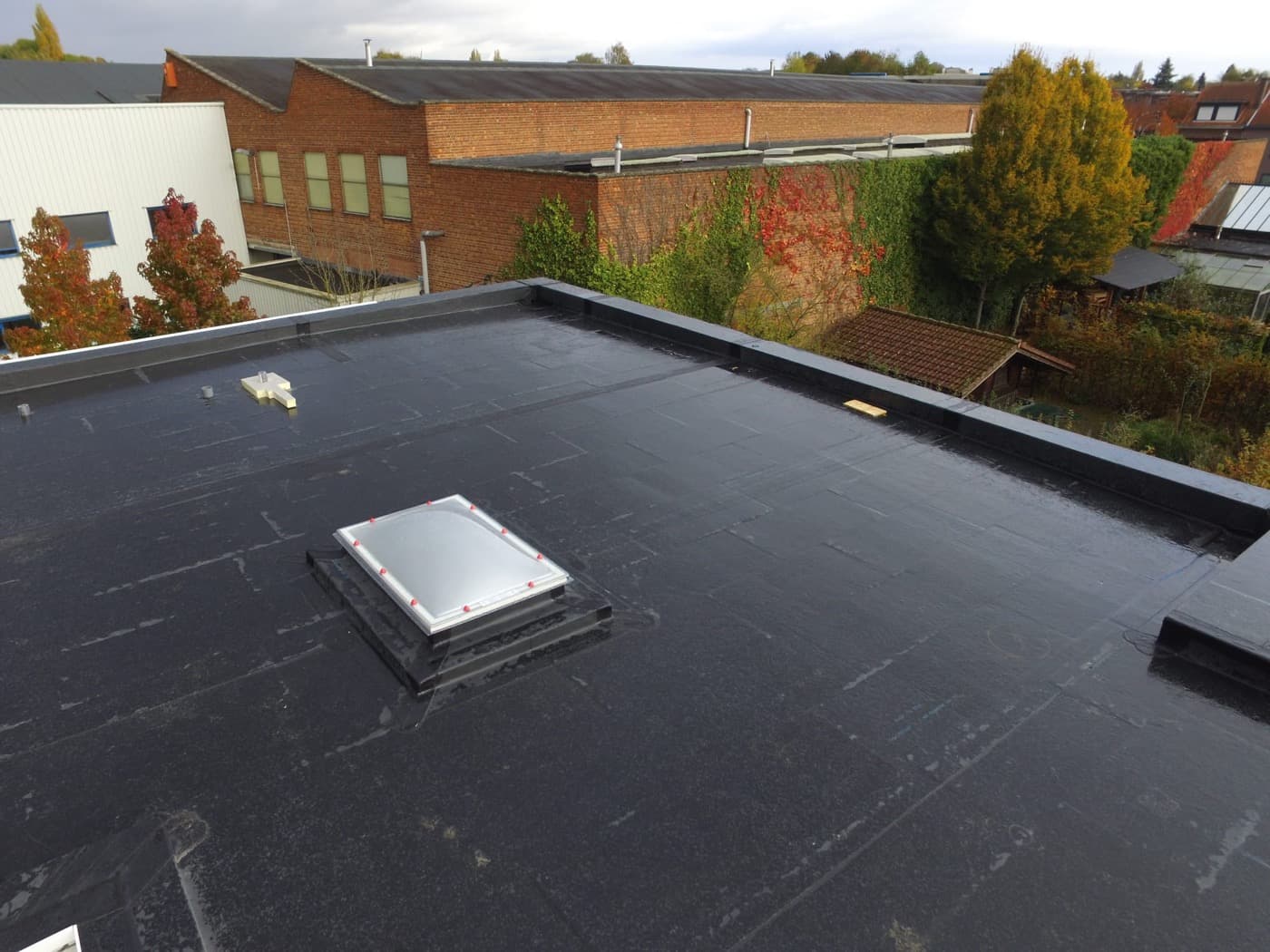
Neither EPDM nor GRP is better for every flat roof. Both are proven, long lasting coverings when a certified system is properly installed, and the right one depends on how the roof will be used and what shape it is. EPDM, a synthetic rubber membrane, suits a plain roof that only gets walked on for maintenance, because it goes down in one large sheet with few or no joints. GRP, glass reinforced plastic or fibreglass, cures into a hard, seamless surface that copes with regular foot traffic, which makes it the stronger choice for a roof you will walk on, such as a terrace or a balcony.
Lifespan is closer than most comparisons suggest. Independent certificates for one leading system of each type give a service life of at least 30 years for the EPDM and at least 25 years for the GRP, and either can fail far sooner if it is badly laid. So the decision usually comes down to use, detail and installation rather than one material simply outlasting the other.
What EPDM and GRP actually are
EPDM is a synthetic rubber supplied in rolls, bonded to the roof deck with adhesive and finished at the edges and upstands with matching trims and flashing tapes. It stays flexible, and on a small domestic roof it can often be laid as a single piece.
GRP is built up on the roof itself. A resin is applied with a glass fibre mat and sets into a rigid laminate. Because it is formed in place, it has no seams once it has cured.
Both sit alongside felt, still one of the most common flat roof coverings in the UK. Felt roofs and the most common flat roof materials are covered in their own posts. We fit all three as part of our flat roof work, and help customers choose the one that suits the roof.
EPDM and GRP compared
The figures below come from two independent assessments, one for a leading system of each type. Different products carry different certificates, so treat them as examples of what a certified system offers rather than a rule for every product.
| EPDM (Firestone RubberCover) | GRP (Polyroof 185) | |
|---|---|---|
| Certified service life | At least 30 years | At least 25 years |
| Foot traffic | Limited, for maintenance only | Regular foot traffic without extra protection |
| Joints | Laid in large sheets, few or none on a small roof | Seamless once cured |
| Laying conditions | Not in rain, fog or snow, or below 0°C, with extra care below 5°C | On a dry deck, from 1 to 30°C, with accelerators in the coldest range |
| Domestic size covered | Roofs up to 100 square metres | Small to medium roofs up to 100 square metres |
The EPDM figures are from BBA certificate 89/2216 for the Firestone RubberCover EPDM System, which says the system will provide a durable waterproof covering with a service life of at least 30 years under normal service conditions. The GRP figures are from the NBS Source listing for the Polyroof 185 GRP System, BBA certificate 91/2604, which gives a designated lifespan of at least 25 years. Both were checked in November 2026.
Which copes better with being walked on?
This is the clearest difference between them. The EPDM certificate says the system accepts the limited foot traffic that comes with installation and maintenance, and that where more traffic is expected, such as a balcony or roof terrace, extra protection must be considered. It also asks for reasonable care to avoid puncture by sharp objects or concentrated loads.
GRP's hard surface is the reverse. The Polyroof listing describes it as able to withstand regular foot traffic without additional protection. If the flat roof is somewhere you will step out onto, put furniture on, or reach often to clean windows or gutters, GRP is the more natural fit. If it is a garage or an extension roof that nobody goes on except to look at it once a year, that advantage counts for very little. Whichever you have, walking on a flat roof is worth thinking about before anyone does it.
Joints, edges and detail
On a flat roof, the joints between sheets and the upstands where the roof meets a wall are where a large share of leaks begin, rather than the open middle of the covering. Both materials deal with that well in their own way.
EPDM's strength is that a single sheet can cover a small roof with no joints at all, so the only details are the edges and the upstands, which are finished with purpose made trims and flashing products. GRP's strength is that it is laminated around those details on site and cures as one piece with the rest of the roof, so a roof with rooflights, pipes and changes of level becomes one continuous surface. On a simple rectangle either works. On a roof with a lot going on, the installer's experience with that detail matters more than the material.
How each is laid, and why the weather matters
Both need dry conditions, which matters in a Sussex winter. The EPDM certificate says installation should not be carried out in rain, fog or snow, or below 0°C, with special precautions below 5°C because condensation can contaminate the adhesive. The GRP listing gives an application range of 1 to 30°C on a dry deck, with accelerators needed when the deck is between 1 and 5°C, and a cure time of 30 to 60 minutes.
In practice that means either can be laid in the colder months on the right day, but neither should be rushed onto a damp deck to beat the weather. Strong sun brings its own pressure too. Eastbourne, for example, is one of the sunniest towns in the UK, and sun and coastal wind are what break flat roof coverings down fastest, which is why the quality of the whole system and its installation matters more than the label on the roll.
Lifespan and looking after it
The certified figures above are what each system is assessed to achieve under normal conditions, not a promise for every roof. A covering laid on a poor deck, with too little fall or with badly finished edges can fail years early whichever material it is. The EPDM certificate defines a flat roof as having a minimum finished fall of 1 in 80, and water that sits on a roof is the start of most problems.
Both need looking after. The EPDM certificate recommends annual inspections, as is good practice with any waterproofing system, and the same habit suits GRP. Clear outlets and gutters, look for splits, lifting edges and damaged upstands, and deal with them early. Most faults on a well laid roof are small and repairable, and flat roof repairs caught early are usually a repair rather than a whole new roof.
Which should you choose?
A few questions usually settle it.
- Will you walk on it regularly? If yes, GRP, or EPDM with a protective layer the manufacturer approves.
- Is it a plain shape? A simple roof suits EPDM laid in one sheet. A roof with lots of upstands and penetrations suits either, in experienced hands.
- Is it more than a small re-cover? The Planning Portal says re-covering normally needs no building control application if less than half the roof and less than a quarter of the whole building envelope is affected. Beyond that, building regulations apply, and there may be further considerations such as making sure the insulation is sufficient.
And do not replace a flat roof that only needs repairing. A single split, a failed seam or a lifted edge on an otherwise sound covering is a repair, whichever material it is.
Getting the right flat roof
EPDM and GRP are both good flat roof coverings, with certified lifespans of 25 to 30 years or more for leading systems. GRP is the choice for a roof you will walk on; EPDM is the choice for a plain roof you will not. The installer and the condition of the deck decide how long either lasts.
If your flat roof needs repairing or replacing anywhere in the areas we cover, contact us and we can look at the roof, tell you whether it needs a repair or a new covering, and explain which material suits it. Rated Roofers has over 25 years in the roofing industry, and you can also ask for a free quote.
Need this doing
Flat Roofs
Felt, EPDM rubber and fibreglass laid to proper falls.